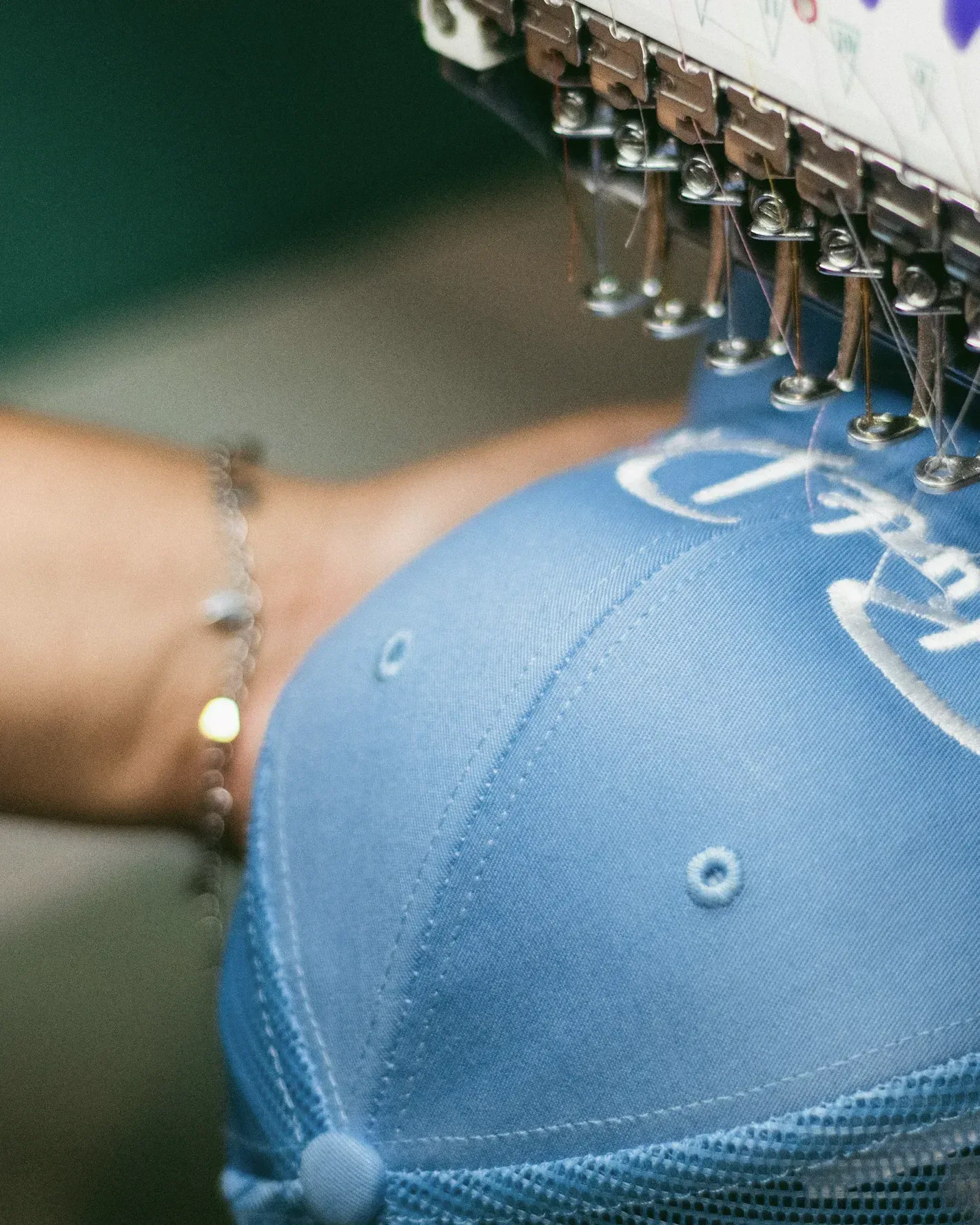
Cap Construction & Panel Design
Construction decides how a cap looks on the head and what can be decorated on it. Panel count, crown profile and structure interact, so they should be chosen together and before artwork is finalized. This page explains each option and its effect on decoration, cost and production.
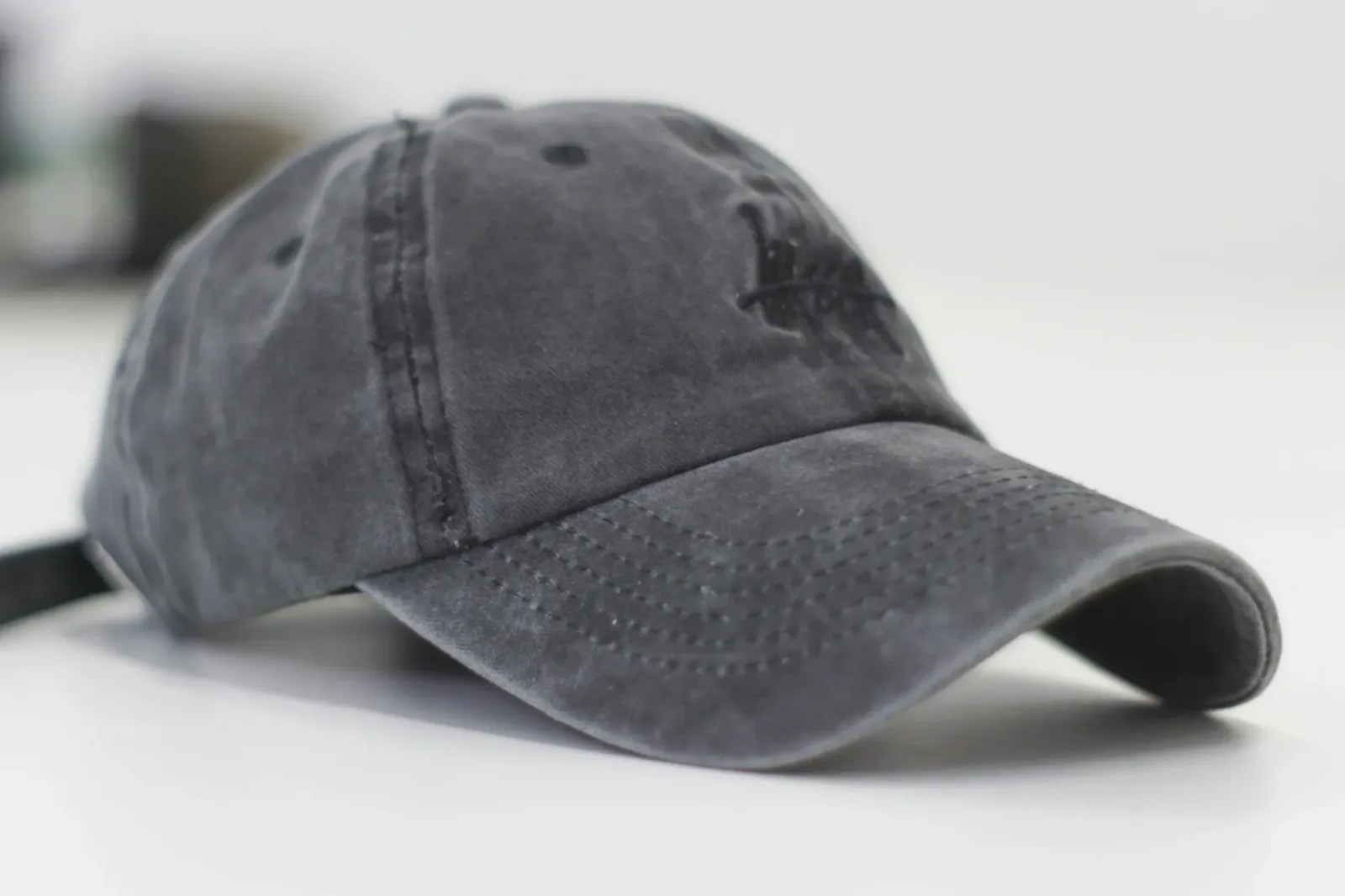
Panel layouts
A cap crown is sewn from shaped fabric panels that meet at the top button. The number and arrangement of panels changes the silhouette and, more importantly for branding, the shape of the front decoration area.
Front of cap at the bottom
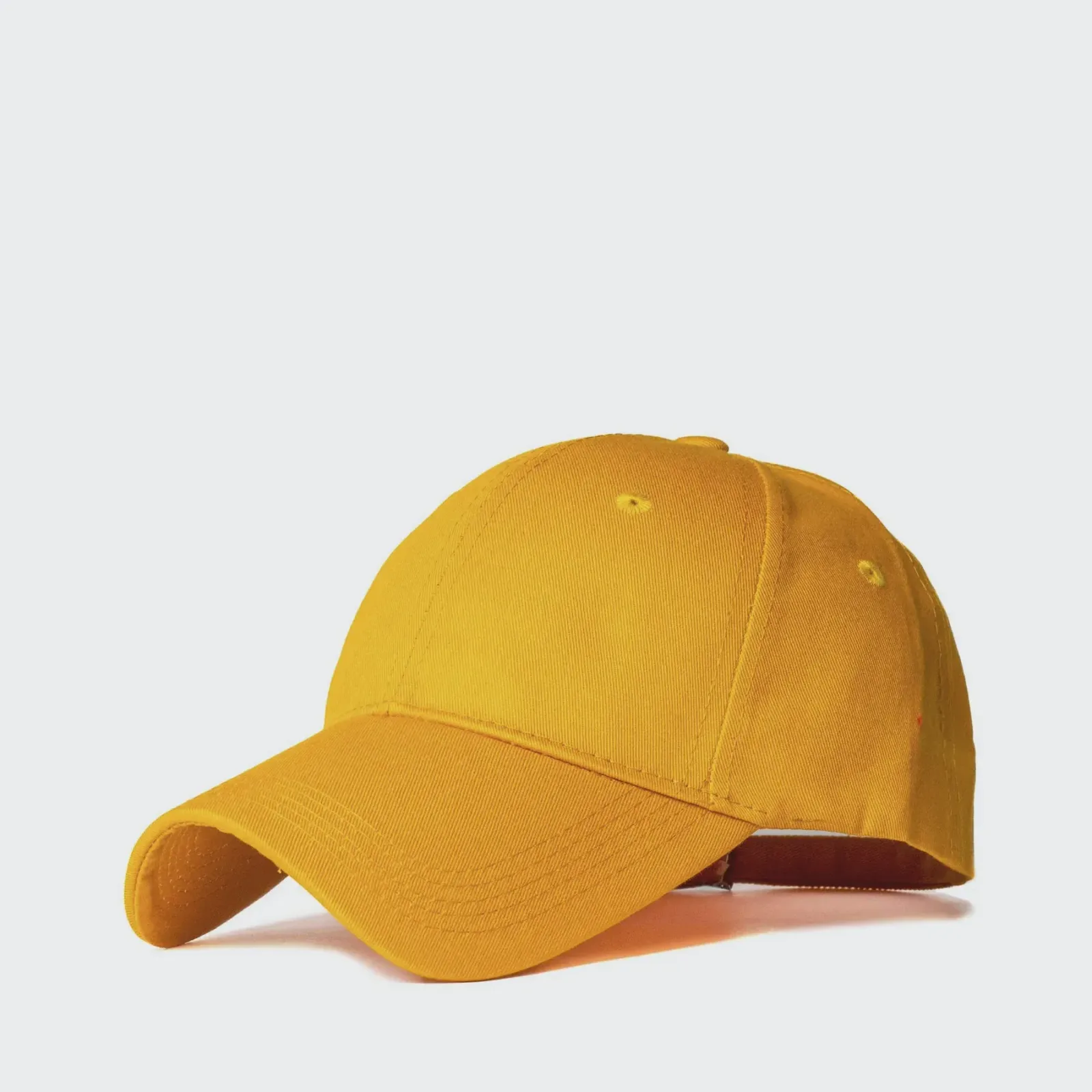
Six-panel · center front seam
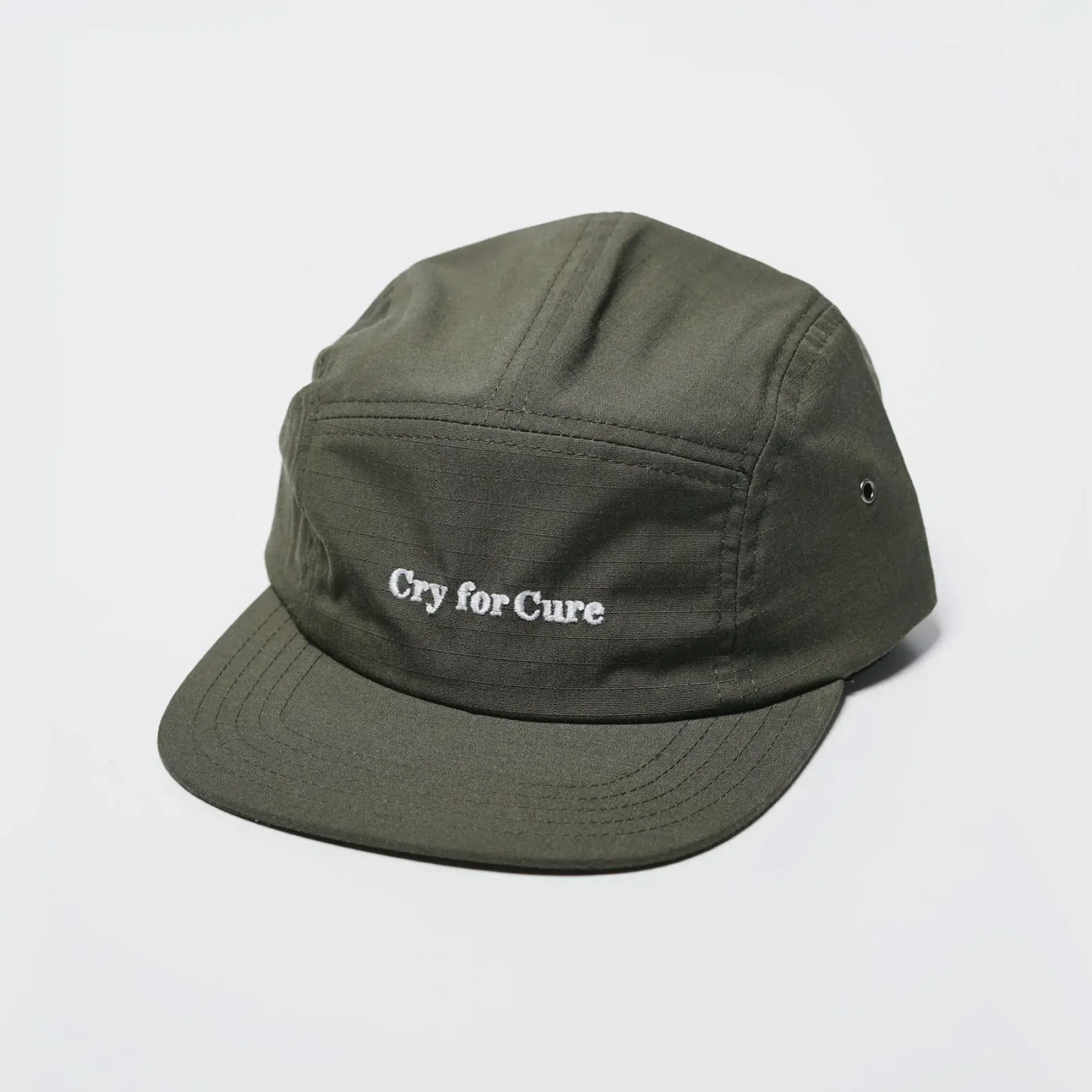
Five-panel · one wide front panel
- Six-panel: two front panels joined by a center seam, two side panels and two rear panels. The center seam is usually backed with buckram on structured caps. This is the classic baseball cap layout.
- Five-panel: one wide front panel without a center seam, two side panels and two rear panels. Common on trucker caps and camp caps. The seamless front is ideal for wide logos and patches.
- Seven-panel: an additional panel changes the crown geometry. Less common, used for specific fashion silhouettes.
A center seam runs through the middle of a front logo on a six-panel cap. Embroidery can cross it, but fine details and patches sit better on a five-panel front. The guide on five-panel vs six-panel caps compares both in detail.
Crown profile
Crown profile describes crown height and the slope of the front panels. It affects fit, style and the usable height of the front decoration area.
- Low
- Mid
- High
| Profile | Fit and look | Front decoration area | Typical styles |
|---|---|---|---|
| Low | Sits close to the head, relaxed | Shorter, logos need to be compact | Dad caps, washed caps, low-profile truckers |
| Mid | Balanced, suits most head shapes | Medium height, versatile | Structured baseball caps, curved snapbacks |
| High | Upright front, pronounced | Tall flat area, suits large or 3D puff logos | Flat-brim snapbacks, foam-front truckers |
Crown profile is mainly a pattern decision, so it rarely changes unit cost. It does affect sampling: a new crown height on an existing pattern usually needs a proto sample. More background is in the guide on cap crown profiles.
Structured and unstructured fronts
A structured cap has fused or buckram-backed front panels that hold their shape. An unstructured cap has no buckram and the crown relaxes onto the head. Some caps use a soft fusing as a middle option.
| Choice | Construction | Decoration | Cost and lead time |
|---|---|---|---|
| Structured (buckram) | Stiff front panels, stable shape | Firm base, suits 3D puff and dense embroidery | Small addition for buckram, neutral lead time |
| Soft fused | Light support, some drape | Suits flat embroidery and patches | Similar to structured |
| Unstructured | No backing, crown relaxes | Needs lighter designs, dense stitching can pucker | Lowest material input |
Washing and garment dyeing are usually done on unstructured caps, because buckram can deform or harden in the process. If a vintage wash is required, decide on the structure first. The guide on structured vs unstructured caps covers the trade-offs.
Sizing and fit
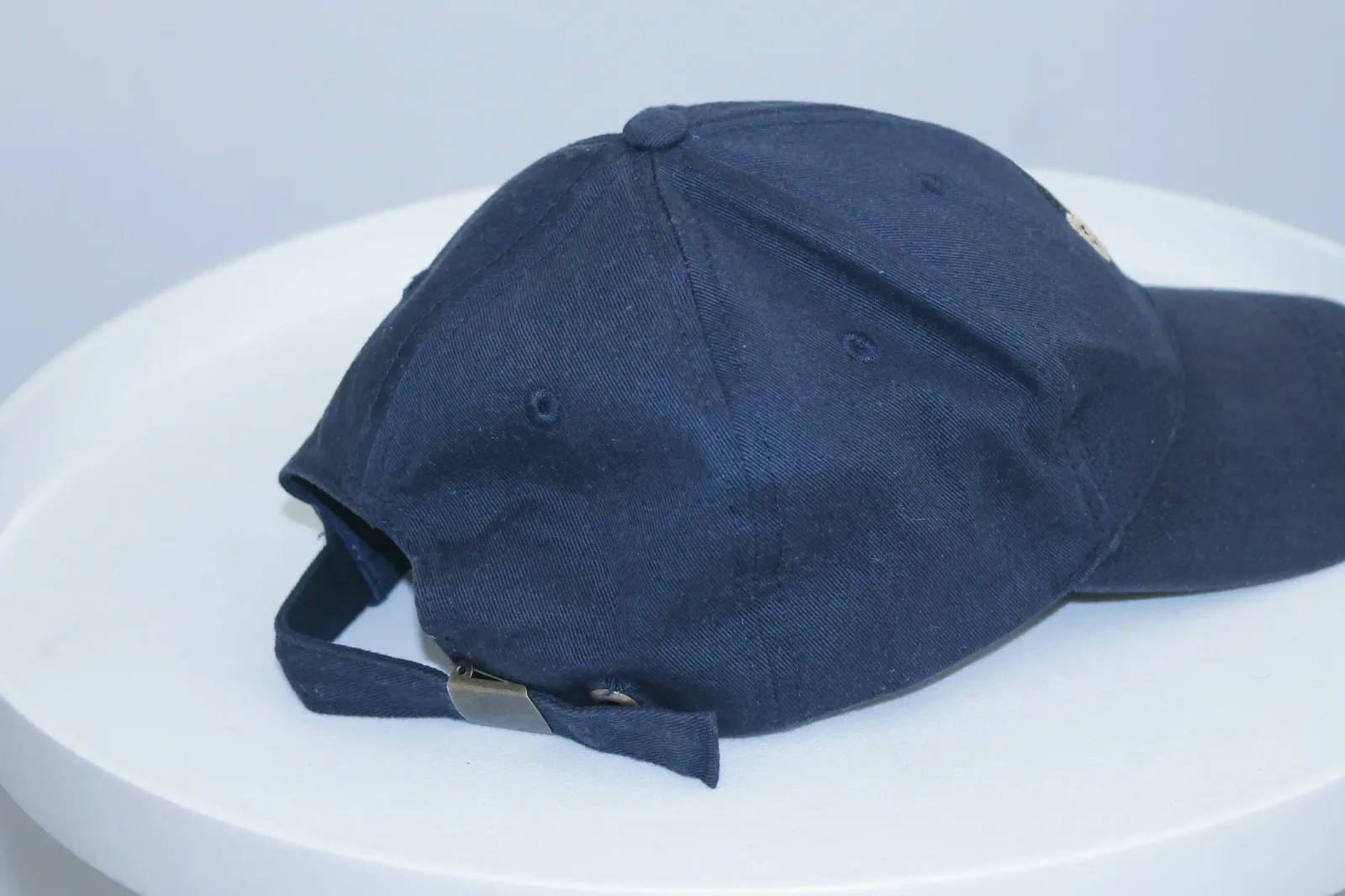
Adjustable caps are usually made in one size that covers a typical head circumference range, with the closure taking up the difference. Fitted caps are made in graded sizes, typically across a range from around 55 to 61 cm head circumference, and each size uses its own pattern grade.
- One size, adjustable: simplest to order and stock, the default for promotional and most retail programs.
- Small/medium and large/extra large: two adjustable sizes, used where a wider fit range is needed.
- Fitted sizes: the most precise fit, but quantity is split across sizes, which affects minimums and stock planning.
- Youth sizes: a smaller crown and shorter brim, developed as a separate grade.
If you plan fitted sizes, share the size split with the inquiry. A size curve that follows your sales data keeps leftover stock low and helps confirm how the minimum order applies per size on the quotation.
Eyelets, top button and seams
Small construction details carry a lot of visual weight once the cap is finished.
- Eyelets: embroidered eyelets in matching or contrast thread, or metal eyelets. Performance caps often use laser-cut perforations instead.
- Top button: fabric-covered in the shell fabric or a contrast color.
- Seam finish: single or double topstitching on panel seams, in matching or contrast thread.
- Rear opening: arch shape and size depend on the closure. See brims, closures and internal finishing.
Contrast details are inexpensive ways to differentiate a cap, but each extra thread or fabric color adds a line to the tech pack and a check at inspection.
Multi-color crowns, where front, side and rear panels are cut from different fabrics, follow the same logic. They need no extra construction steps, but every color is a separate material line with its own availability, and the minimum per color may apply to each fabric used. Two-tone designs are therefore easier to source than four-tone ones on small orders.
Feasibility: combinations to check early
Most construction choices combine freely. A few combinations need a decision before sampling.
- Large front logo on a six-panel cap: confirm how it crosses the center seam, or choose a five-panel.
- 3D puff embroidery on an unstructured cap: the front may need light fusing to hold the shape.
- Low crown with a tall logo: check the usable front height on the pattern.
- Washed or garment-dyed finish: plan for an unstructured or soft-fused construction.
- Mesh back: confirm the decoration positions available on the side and rear.
- Fitted sizing: each size is a separate pattern grade and affects quantity per size.
Construction choices interact with materials and decoration. Continue with fabric and material options and embroidery and logo applications.
Questions buyers ask
Should I choose a five-panel or six-panel cap for my logo?
A five-panel cap has a seamless front, which suits wide logos and patches. A six-panel cap has a center seam that runs through the logo area; embroidery can cross it, but fine details sit better on a five-panel front.
Does a different crown height change the price?
Crown profile rarely changes the unit cost. A new crown height on an existing pattern usually requires a proto sample, which adds a development step.
Can a structured cap be washed for a vintage look?
Washing is usually done on unstructured caps, because buckram can deform during the process. If you want a washed finish, plan the construction around it before sampling.
Let's make your cap.
Style, quantity, colors and artwork are enough to start. A project contact replies with questions or a quotation.