How to Choose Fabric for Custom Caps
Fabric decides how a cap looks, feels, ages and takes decoration. This guide compares the common cap fabrics and explains how to specify the right one for your product, wearer and logo.
Updated · Caps Island product development
Key takeaways
- Choose fabric from the end use first: everyday casual, seasonal, sport or outdoor.
- Cotton twill is the most versatile base for embroidery; textured fabrics like corduroy and canvas need simpler logos.
- Polyester is the fabric for sublimation printing and moisture management; nylon suits lightweight outdoor styles.
- Specify colors with Pantone references and approve them on the sample, since shade varies by fabric.
- If certified materials are required, state it in the RFQ; availability is confirmed per material.
What fabric controls
The crown fabric is the largest visible surface of a cap. It sets the first impression, but it also controls practical things a buyer often notices only after sampling: how the cap holds its shape, how it feels against the forehead in summer, how it fades, and how cleanly a logo can be stitched or printed on it.
Start from the end use. A cap sold as an everyday lifestyle product, a winter seasonal item, a golf or running cap, and a promotional giveaway all suggest different fabrics. The fabric then narrows your decoration choices, which is why fabric and logo should be decided in the same conversation.
The common cap fabrics
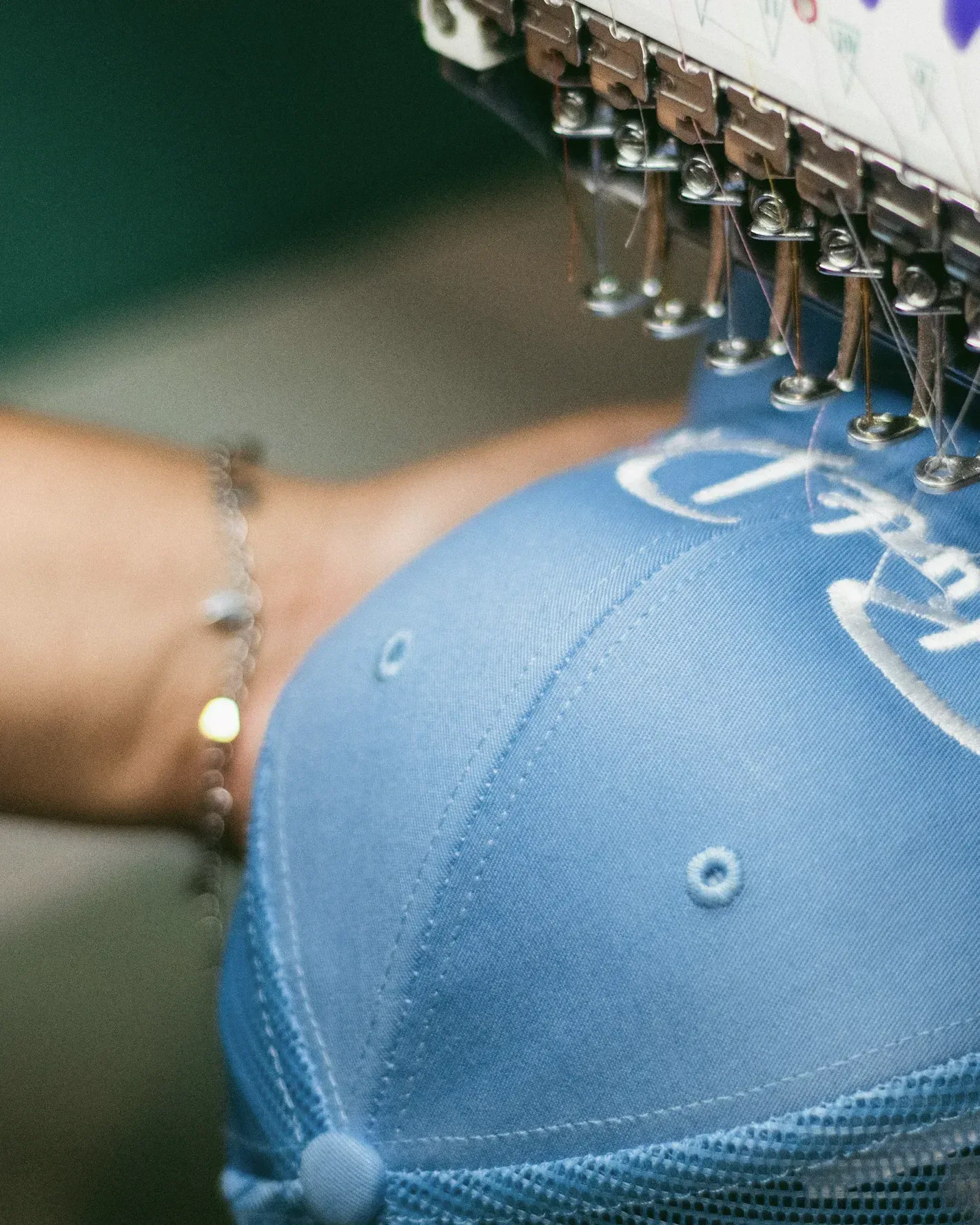
Cotton twill is the default cap fabric. The diagonal weave is smooth, durable and takes embroidery very well. Variations include brushed twill, with a soft peached surface, and chino twill, which is smoother and slightly lighter. Washed or garment-dyed twill gives the faded, softened look associated with dad caps.
Cotton canvas is a heavier plain weave with a dry, workwear feel. It suits five-panel and outdoor styles. The coarser surface makes very fine embroidery less crisp, so bold logos and patches work best.
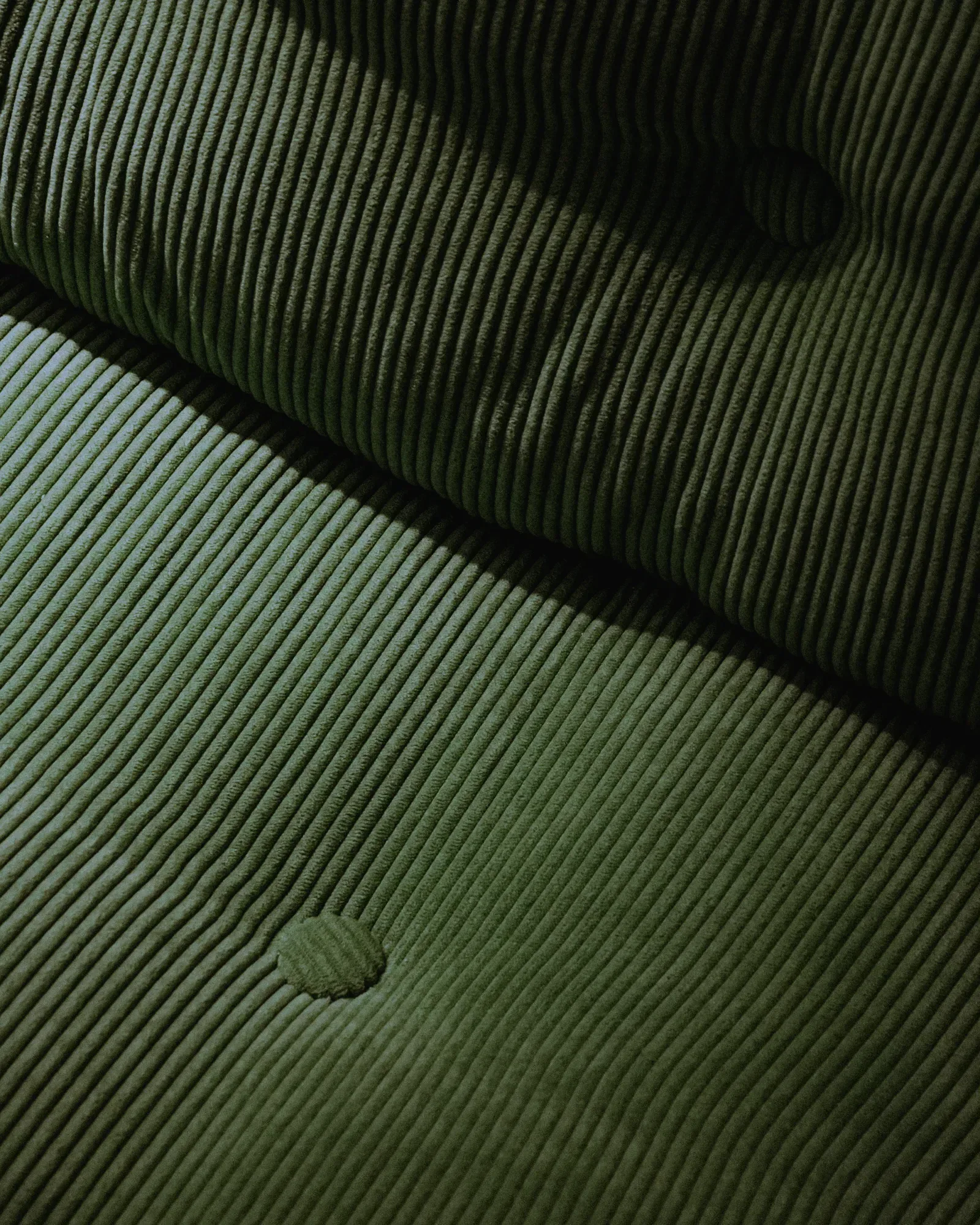
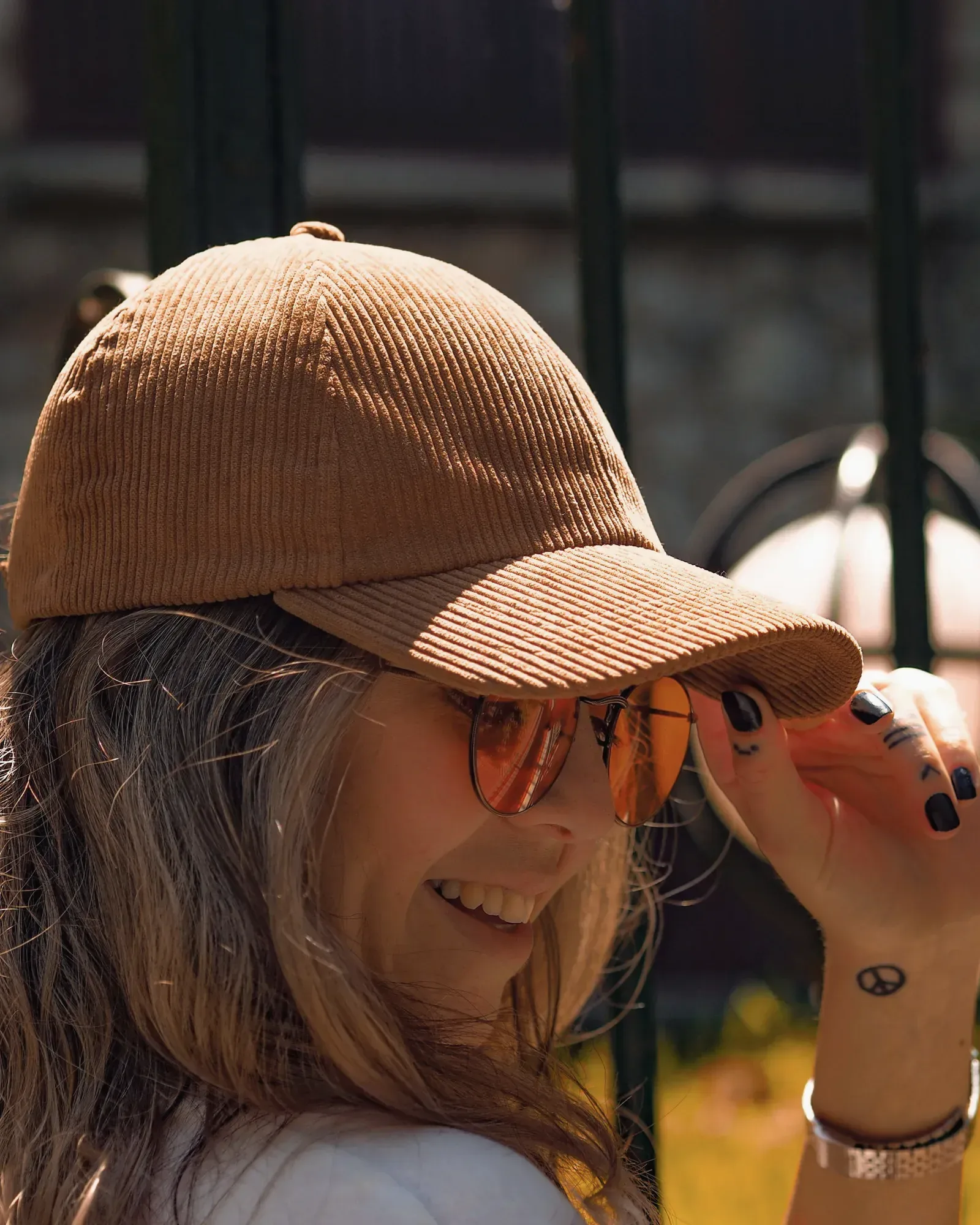
Corduroy has raised vertical wales that give texture and a seasonal, vintage character. Embroidery sinks between the wales, so small text and thin lines can break up. Thicker corduroy suits patches or bold embroidery; finer wale corduroy accepts more detail.
Wool and wool blends are used for classic fitted caps and autumn and winter ranges. They have a soft, matte surface with good warmth. Blends with synthetic fibers improve shape retention and durability compared with pure wool.
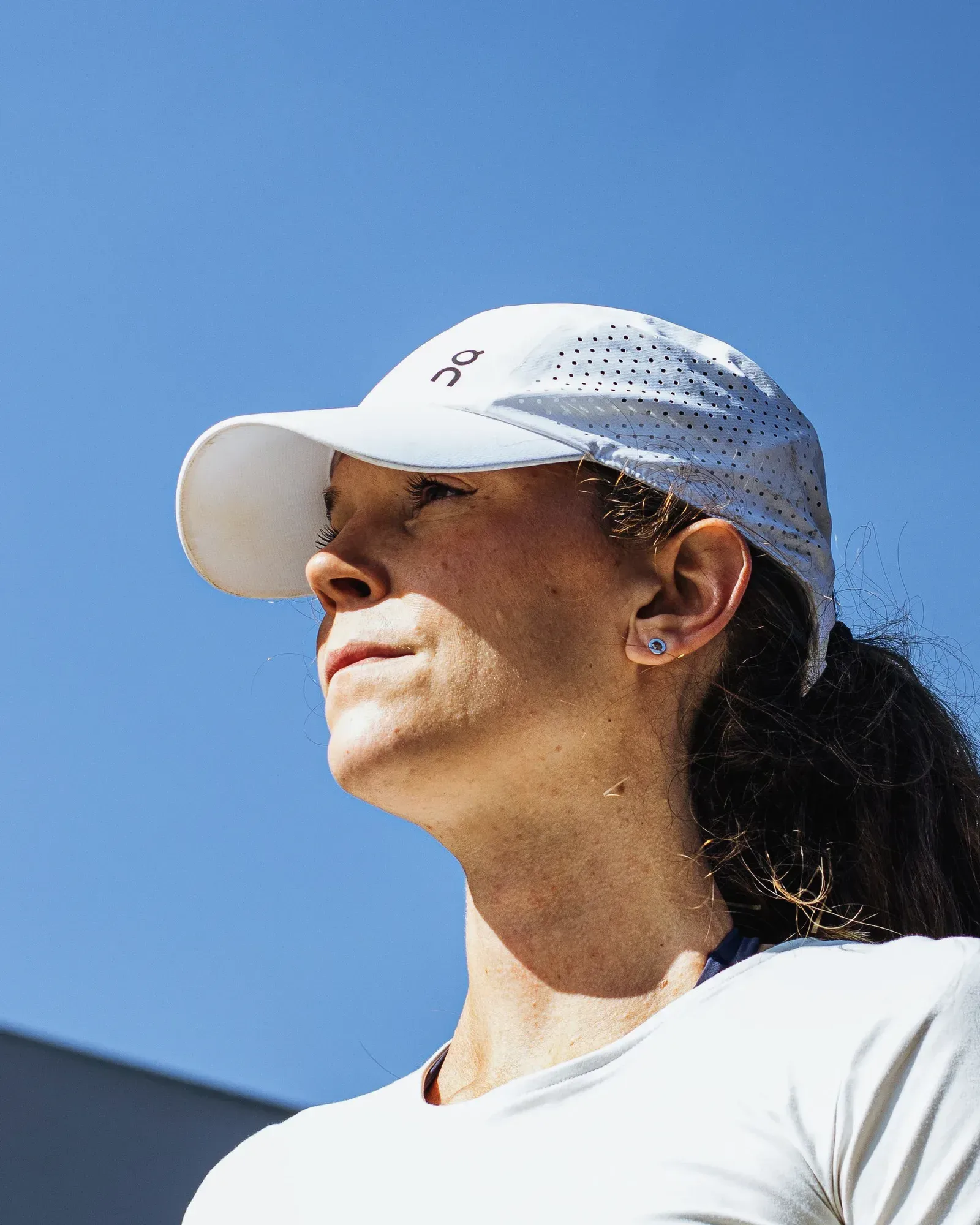
Polyester covers a wide family: smooth performance fabrics, moisture-wicking knits, and recycled polyester. It is lightweight, holds color well, dries quickly and is the only common cap fabric suited to sublimation printing. It is the base for most performance caps.
Nylon, including ripstop, is light, smooth and quick-drying. It is a natural choice for camp caps, running caps and bucket hats. It has a slight sheen and can be water-repellent depending on finish.
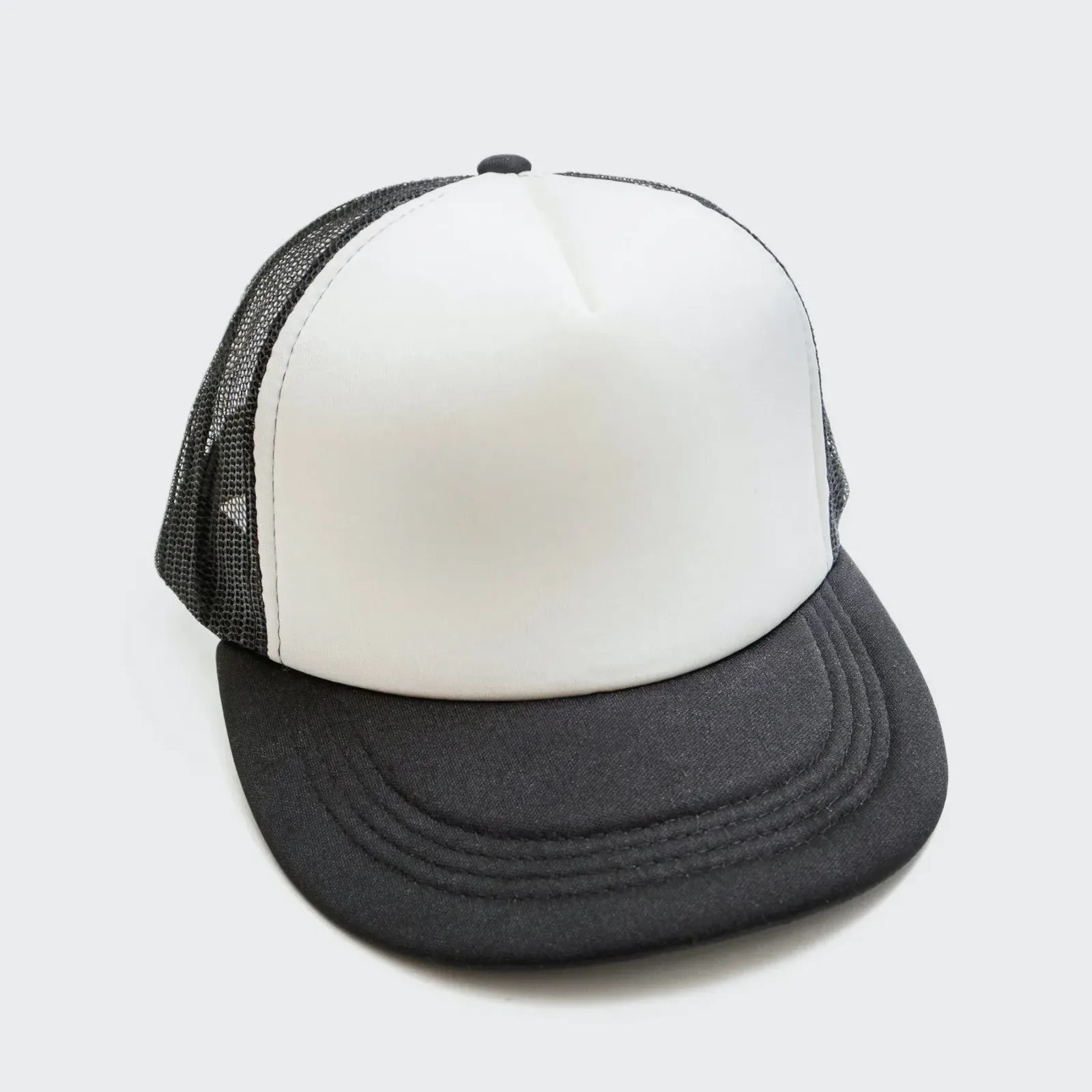
Mesh is used for the side and rear panels of trucker caps and for ventilation zones on sport caps. It is not normally decorated directly; logos go on the front panel.
Fabric comparison
| Fabric | Character | Best for | Decoration notes |
|---|---|---|---|
| Cotton twill | Smooth, durable, versatile | Baseball caps, dad caps, snapbacks | Takes fine and 3D puff embroidery well |
| Washed twill | Soft, faded, relaxed | Unstructured lifestyle caps | Flat embroidery and patches; color varies with wash |
| Canvas | Heavy, dry, workwear | Five-panels, outdoor caps | Bold embroidery, patches, screen print |
| Corduroy | Textured, seasonal | Autumn and winter ranges | Bold shapes and patches; avoid small text |
| Wool blend | Matte, warm, classic | Fitted caps, seasonal ranges | Embroidery and felt or chenille patches |
| Polyester | Light, quick-drying, colorfast | Performance and golf caps | Embroidery, heat transfer, sublimation |
| Nylon | Light, smooth, slight sheen | Camp caps, running caps, bucket hats | Heat transfer, woven labels, light embroidery |
| Mesh | Open, ventilated | Trucker rear panels, vents | Not usually decorated directly |
How fabric affects decoration
Embroidery needs a stable surface. Tight, smooth weaves like twill hold stitches cleanly. Textured or loose fabrics let stitches sink or spread, which softens edges. Lightweight synthetics can pucker under dense stitching unless the design and backing are adjusted. For decoration methods and their limits, see Flat Embroidery vs 3D Puff Embroidery and our embroidery and logo applications page.
Printing depends on fiber. Sublimation dyes bond with polyester and do not work on cotton. Screen printing and heat transfer work on a wider range, though the hand feel and durability differ by fabric. If you want a full-color graphic, choose a polyester front or plan for a patch or transfer.
Patches widen the options on demanding fabrics. A woven patch carries fine detail regardless of the crown fabric underneath, because the detail is woven into the patch itself. A leather or faux leather patch suits canvas, wool and corduroy, where it complements the texture. Felt and chenille patches fit wool and seasonal ranges. The patch is then sewn or applied to the cap, which moves the decoration challenge from the crown fabric to the patch.
Consider a running club ordering caps with a detailed full-color crest. A cotton twill cap would require simplifying the crest for embroidery. A polyester performance cap allows the crest to be sublimated or transferred with its detail intact, while staying light for running.
Color matching and shade
The same Pantone color looks different on twill, nylon and wool because each fiber absorbs dye and reflects light differently. Give Pantone references, ideally from the textile system (TCX or TPX), and approve color on the sample rather than on a screen.
Washed and garment-dyed fabrics vary more from batch to batch than solid-dyed fabrics. If exact consistency between reorders matters, choose a non-washed fabric or accept a defined shade tolerance with your manufacturer.
Durability, care and how fabrics age
A cap is worn outdoors, handled often and rarely washed carefully. How the fabric ages is part of the product. Cotton fades with sunlight and washing, which is welcome on a vintage dad cap and unwelcome on a corporate cap that should match a uniform for years. Washed cotton is chosen precisely because it already looks worn in, so further fading reads as character rather than damage.
Polyester and nylon hold color well and recover quickly from moisture, which suits caps worn for sport or in changing weather. Wool blends are warm and resist creasing, but they can pill with abrasion and are usually cleaned more gently. Corduroy wales can flatten where the cap is handled most, at the brim edge and the front of the crown, giving a softer, broken-in surface over time.
Think about the season and the channel as well. A label releasing an autumn capsule can justify corduroy or wool for a limited run; the same fabrics are a poor fit for a summer festival order. A promotional buyer distributing caps at an outdoor event is usually better served by a light cotton twill or polyester that stays comfortable in heat.
The visible crown fabric is not the only material choice. The sweatband, seam tape, undervisor and any lining also touch the wearer or show when the cap is off. A cotton twill crown with a moisture-wicking sweatband, or a wool crown with a cotton band, combines the look of one fabric with the comfort of another. Contrast fabrics are also a simple design tool: a mesh rear, a nylon brim or a corduroy front on a twill cap make a private label style distinctive without changing the base construction.
Specifying fabric in your brief
Describe what you want the fabric to do, not only what it is called. Fabric names vary between mills and markets, so a short functional description prevents misunderstandings. Our fabric and material options page lists what can be discussed for a project.
- End use and season: everyday, winter, sport, outdoor or promotional.
- Fiber and weave: for example brushed cotton twill, nylon ripstop, wool blend.
- Finish: washed, garment-dyed, water-repellent, moisture-wicking.
- Main color and any contrast panels, with Pantone references.
- Decoration method and logo size for each position.
- Any certified or recycled content requirements.
- A physical reference or swatch if you have one.
Fabric can also be mixed within one cap: a cotton twill front with mesh rear panels, or a polyester crown with a contrast undervisor. These combinations are a simple way to make a private label cap distinctive. If you are building a new range, the sample, typically 7 to 14 days depending on design, is the moment to judge fabric in hand. When you are ready, request a quote with your fabric preferences and references.
Questions, answered
What is the most versatile fabric for custom caps?
Cotton twill. It suits structured and unstructured caps, takes embroidery cleanly and is available in many weights and finishes.
Can I sublimate a logo on a cotton cap?
No. Sublimation bonds with polyester fibers. For full-color graphics on cotton, use a patch, heat transfer or simplified embroidery.
Why does my sample color differ from the Pantone swatch?
Each fabric takes dye differently, so shade varies by fiber and weave. Provide textile Pantone references and approve color on the physical sample.
Can caps be made from recycled materials?
Recycled polyester and other recycled options can be discussed. State the requirement in your RFQ; availability is confirmed per material.
Let's make your cap.
Style, quantity, colors and artwork are enough to start. A project contact replies with questions or a quotation.