How to Prepare an RFQ for Bulk Headwear
A complete RFQ gives an accurate quotation on the first pass and makes quotations comparable. It needs the decisions that drive cost and feasibility, not a finished tech pack.
Updated · Caps Island product development
Key takeaways
- List quantity per style and per colorway; total quantity alone is not enough to price an order.
- Describe decoration by method, size, colors and position for each logo.
- Name the delivery destination and Incoterm so logistics are priced on the right basis.
- Ask for alternatives in one RFQ rather than sending several separate requests.
- Normalize quotations against your RFQ line by line before comparing prices.
What an RFQ needs to achieve
A request for quotation (RFQ) is the document you send to a manufacturer to get a price and a production plan. For headwear, a good RFQ does two things. It gives enough detail for an accurate quotation on the first pass, and it makes quotations from different suppliers comparable, because each is answering the same specification.
At Caps Island the RFQ starts the process: inquiry, quotation, tech pack approval, sampling, bulk production, and inspection and delivery. The quotation confirms price, how the minimum order quantity (200 pieces, 500 for beanies) applies to your styles and colors, country of origin, and bulk lead time, which depends on quantity, materials and decoration. The better the RFQ, the fewer of those points need a second round of questions.
The minimum information
An RFQ does not need a finished tech pack. It needs the decisions that drive cost and feasibility. If any of the following are missing, the quotation will be built on assumptions that you will have to check later.
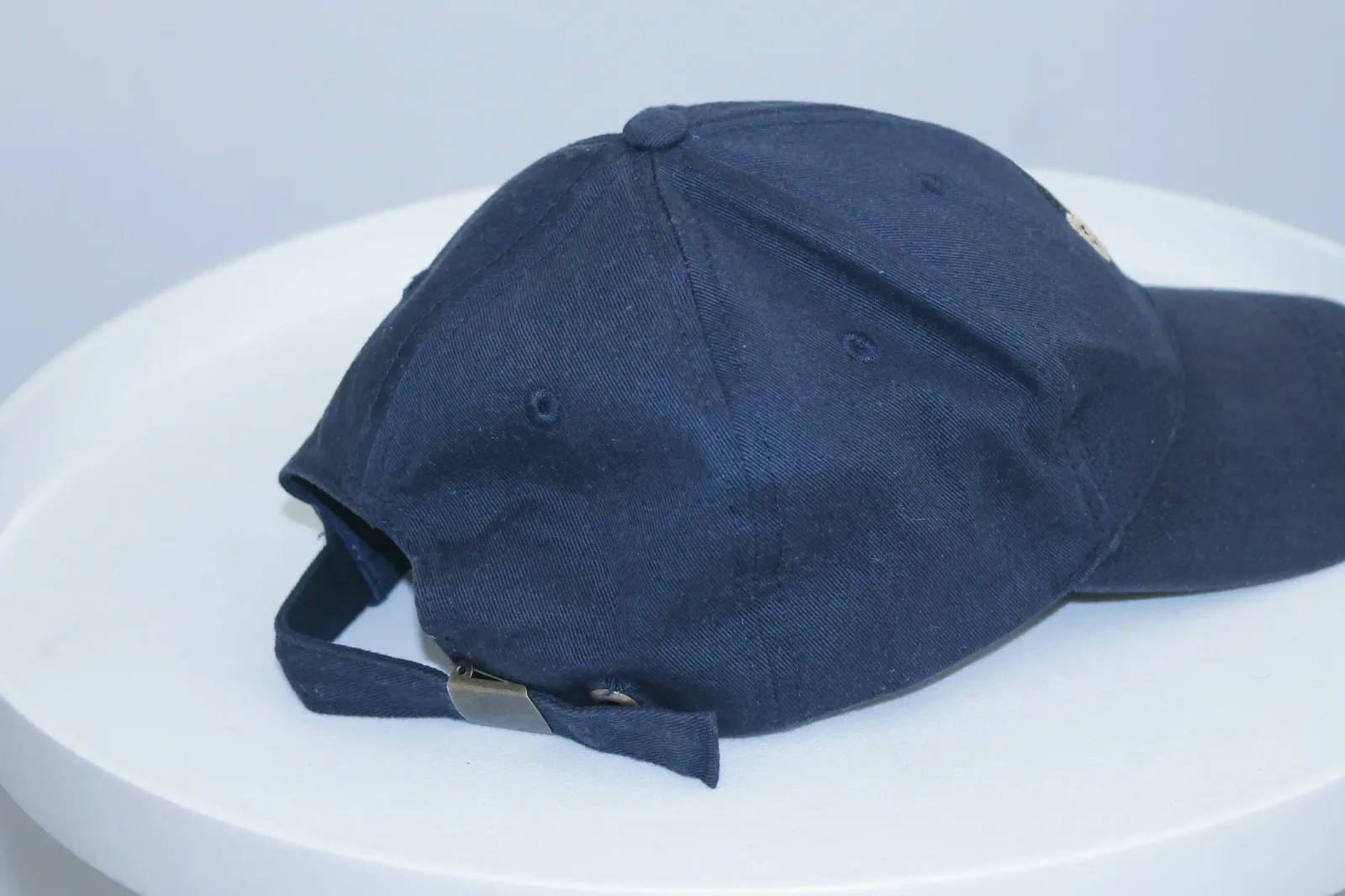
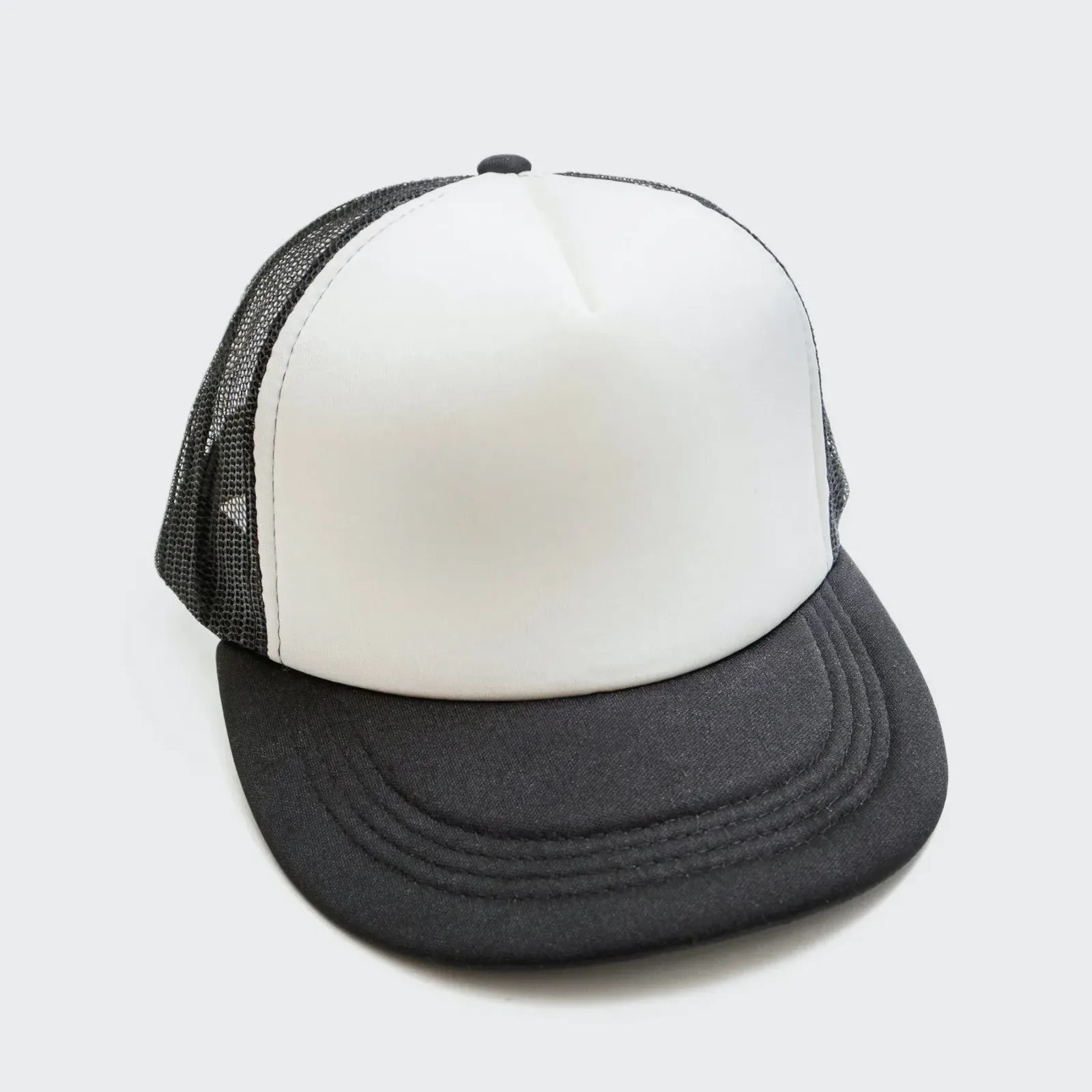
- Product type and style, for example six-panel baseball cap, trucker, bucket hat, beanie or visor
- Quantity per style and per colorway
- Fabric or material preference, and base colors
- Construction: structured or unstructured, crown profile, brim shape, closure
- Decoration: method, number of positions, approximate size and number of colors per logo
- Labels and packaging requirements
- Delivery destination and preferred Incoterm
- Target in-market date
- Any requirement for certified or recycled materials
Attach artwork, even if it is not final, and a reference image or cap for each style. Browsing the catalogue is a quick way to name a starting style, for example a trucker cap or a beanie, so the conversation begins from a known construction rather than a blank page.
It also helps to describe the use. A cap for a one-day event, a staff uniform worn daily and a retail product sold under your brand call for different trade-offs in fabric, closure and finishing. One sentence on audience and sales channel lets the supplier suggest suitable options instead of quoting the most literal reading of the specification.
Structuring the RFQ document
A single spreadsheet or table with one row per style and colorway works well. It keeps quantities clear and shows where styles share components, which can simplify production. The table below shows the fields worth including, with an example entry for a typical baseball cap.
| Field | Example entry | Why it matters |
|---|---|---|
| Style reference | Cap A, navy | Links quotation lines to your internal codes |
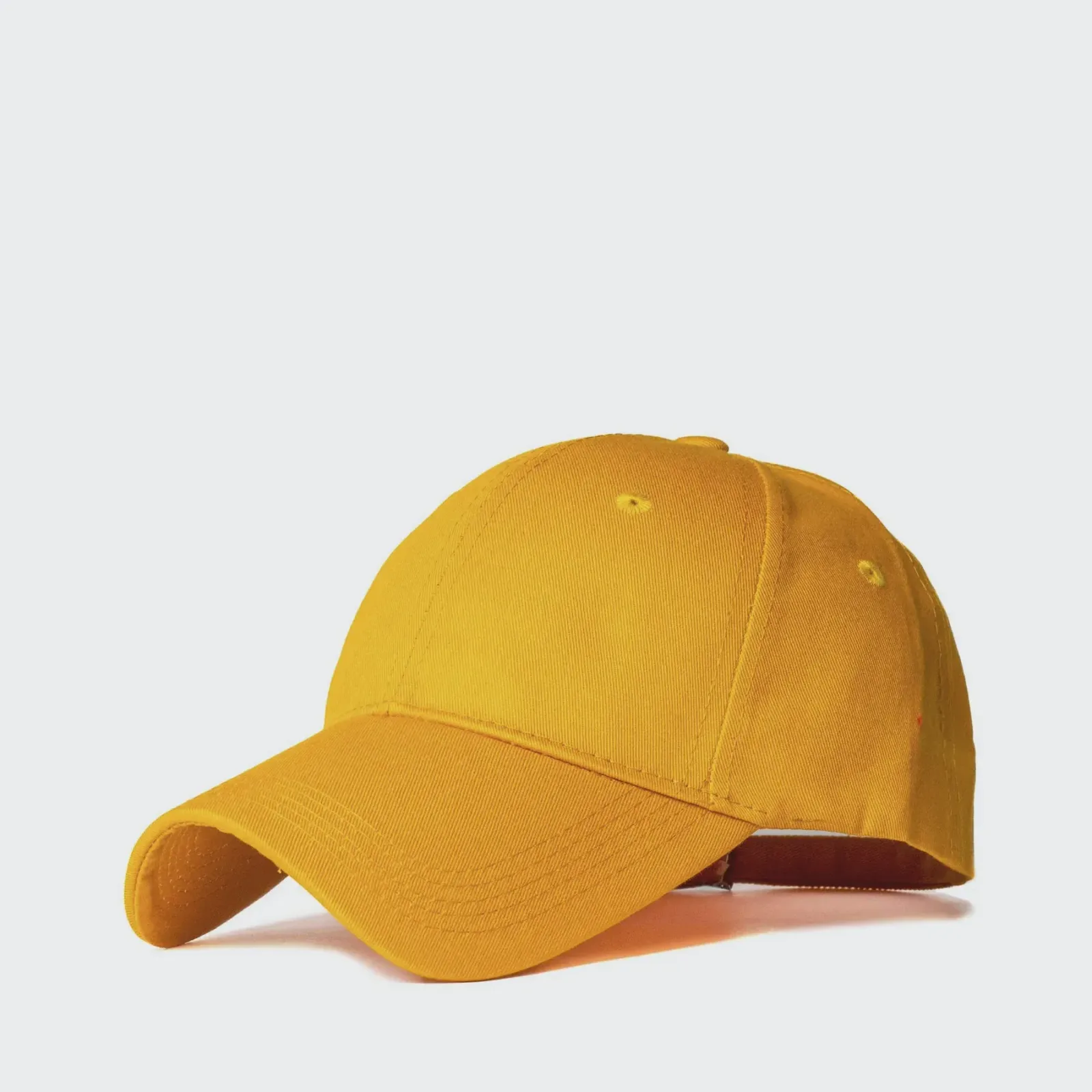
| Style type | Six-panel, mid profile, structured | Sets the pattern and buckram |
| Material | Cotton twill, navy | Main per-unit cost driver |
| Brim and closure | Pre-curved brim, fabric strap with metal slide | Affects trims and sizing |
| Decoration | Front flat embroidery approx. 60 x 45 mm, 4 thread colors; small side logo | Drives setup and stitch count |
| Labels | Woven main label, size label, printed seam tape | Custom labels have setup and minimums |
| Packaging | Individual polybag, hang tag, cartons packed by colorway | Unit cost and carton volume |
| Quantity | 300 pieces | Spreads setup costs; checks against MOQ |
| Delivery | DAP, your warehouse address | Defines logistics scope and risk |
Describing decoration precisely
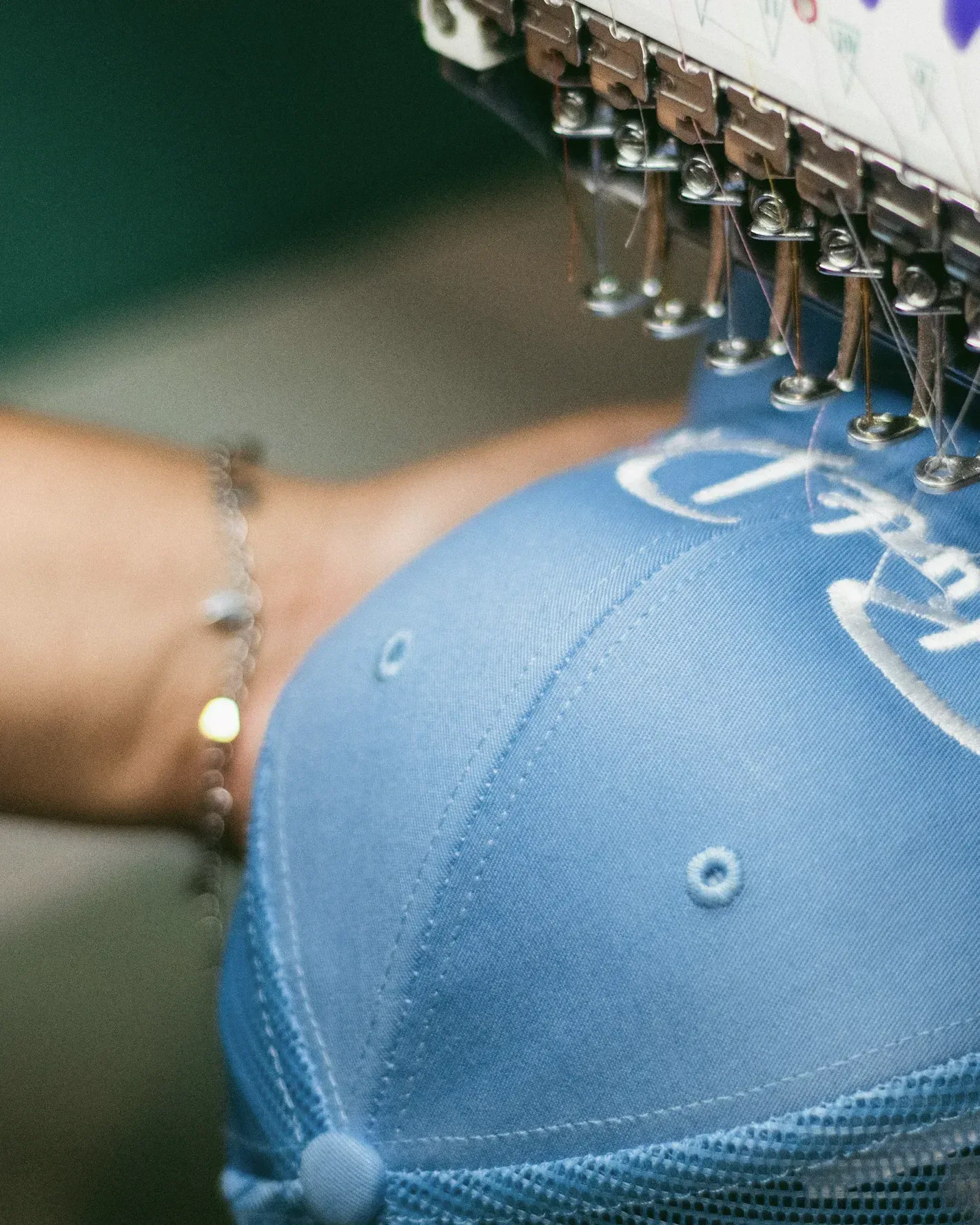
Decoration is the part of an RFQ most often under-specified, and it has the largest influence on price differences between otherwise similar caps. For each position, state the method, approximate size in millimeters, number of colors and whether any effect is needed, such as 3D puff, metallic thread or a patch. A note such as "logo on front" can be priced in very different ways by different suppliers.
If you are undecided between methods, say so and ask for both to be quoted. For instance, ask for a front logo in flat embroidery and alternatively in 3D puff, or a woven patch versus direct embroidery. Comparing two lines on one quotation is clearer than sending two separate RFQs. Methods are described on embroidery and logo applications.
Attach the artwork files themselves, not only a mockup. A vector file lets the supplier judge whether small text and fine lines will embroider cleanly and estimate stitch count, which makes the decoration line of the quotation far more reliable.
Labels, packaging and compliance
For OEM and private label caps, labels and packaging are part of the product. List every label: main woven label, size label, care label, brand tape and hang tag. Say whether you will supply label artwork or need it developed from your brand assets. Packaging requirements, such as individual polybags with warning text, barcode stickers or cartons packed by size or colorway, belong here too.
Compliance requirements also belong in the RFQ. If your project requires certified materials, state it in the RFQ; availability is confirmed per material. If your market requires specific labeling or import documentation, name the destination country so it can be considered from the start. Country of origin is stated on the quotation.
Delivery, Incoterms and timing
State the delivery address, or at least the country and city, and the Incoterm you want quoted. EXW, FOB, DAP and DDP divide costs and risk differently, and a quotation on the wrong term creates surprises at the border. Caps Island ships by road, air or sea; if you have a preference, state it, or ask for the options to be compared.
Give a date, not a vague deadline. The quotation confirms bulk lead time, which depends on quantity, materials and decoration. Work back from your in-market date and allow for tech pack approval, sampling of 7–14 days depending on the design, your own review time, bulk production, inspection and transit. Split delivery, for example a first batch for a launch event and the balance later, is a reasonable question to raise in the RFQ.
If goods go to more than one address, for example a central warehouse and several event venues, list each destination with its quantities. Split deliveries change packing, carton marking and freight, so they should be priced from the start rather than added later.
Common gaps in RFQs
Most follow-up questions on an RFQ come from the same few omissions. Each can be closed with one line in the table.
- Total quantity only. A request for 500 caps in three colors can mean very different splits. Give pieces per colorway.
- Logo without a size. A front logo can be 40 mm or 110 mm wide, and stitch count and price change accordingly.
- No closure stated. Snap, strap, hook-and-loop and fitted constructions differ in cost and in sizing.
- Packaging left open. Bulk-packed caps and individually bagged, tagged caps are different products from a cost point of view.
- No delivery term. Without an Incoterm, one supplier may include freight and another may not.
Comparing quotations
When quotations come back, normalize them before comparing. Check each one against your RFQ line by line, and ask questions before you decide rather than after.
- Confirm each supplier quoted the same quantity per style and colorway.
- Check that material, construction and decoration match, including decoration size and patch type.
- Check that labels and packaging are included, not quoted separately or left out.
- Compare on the same Incoterm and delivery destination.
- Note what each quotation says about sampling, MOQ and lead time.
- Ask about anything marked as to be confirmed.
A clear RFQ also speeds up the steps that follow. Most of its content carries directly into the tech pack, which is prepared and sent for approval before sampling. To understand the cost side in more detail, read what affects custom cap manufacturing costs. When the RFQ is ready, send it through request a quote.
Questions, answered
Do I need a finished tech pack to send an RFQ?
No. An RFQ needs the decisions that drive cost: style, quantities, materials, decoration, labels, packaging and delivery. At Caps Island the tech pack is prepared after the quotation and sent for approval before sampling.
What is the minimum order quantity?
The minimum order is 200 pieces for caps, bucket hats and visors, and 500 pieces for beanies. How it applies per style or color is confirmed on the quotation.
Which Incoterm should I ask for?
Ask for the term that matches how you want to handle freight and import. EXW leaves transport to you; DAP delivers to your address with import duties on your side; DDP includes import duties and taxes.
Can I ask for several options in one RFQ?
Yes. Listing alternatives, such as two decoration methods or two fabrics, in one RFQ gives a quotation where the options are directly comparable.
Let's make your cap.
Style, quantity, colors and artwork are enough to start. A project contact replies with questions or a quotation.