Custom Headwear Manufacturing
Caps Island develops and produces headwear to the buyer's specification, from a first sketch to cartons ready for shipping. This page maps the full workflow and shows which decisions shape construction, cost and feasibility. Each stage links to a detailed page.
What custom headwear manufacturing covers
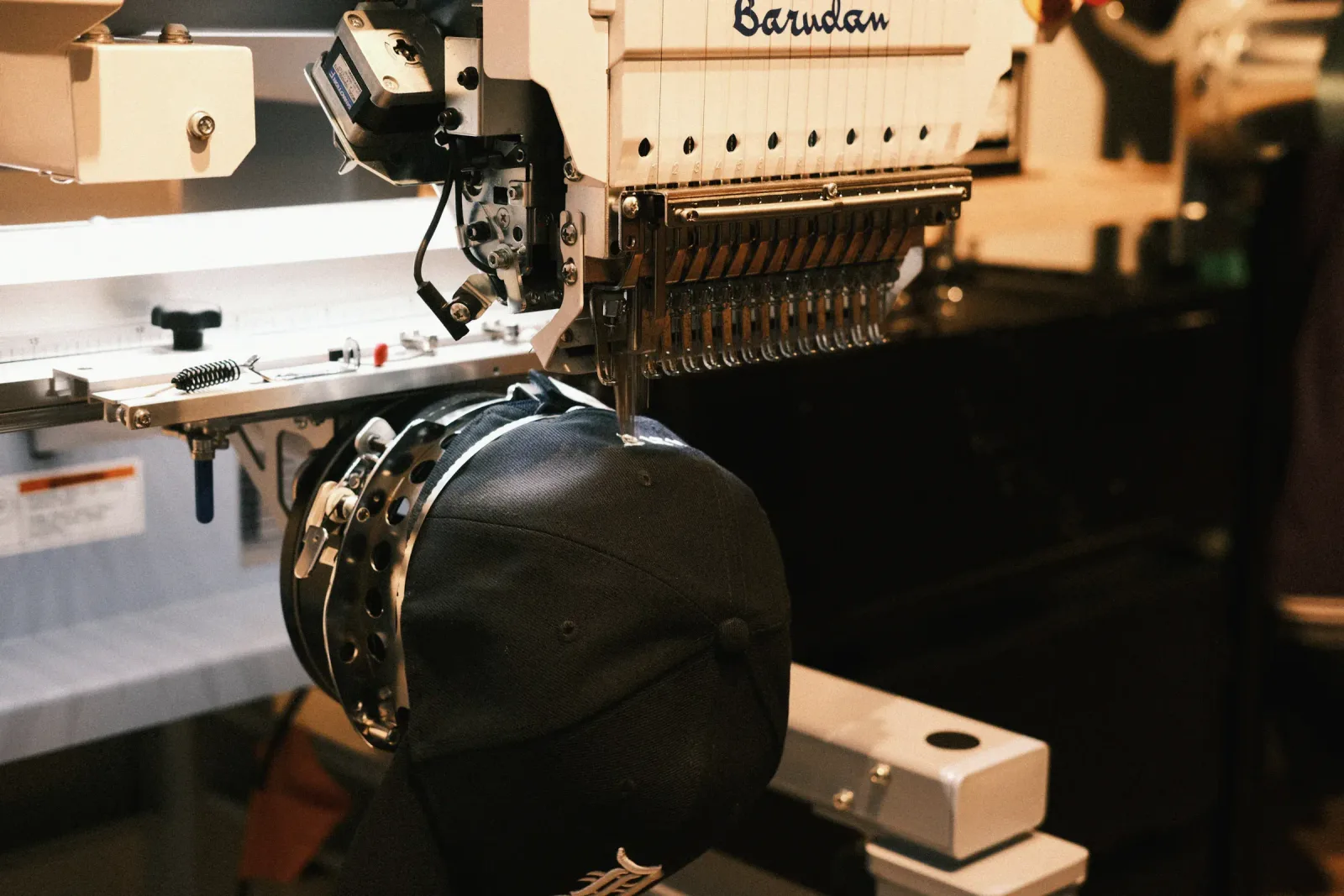
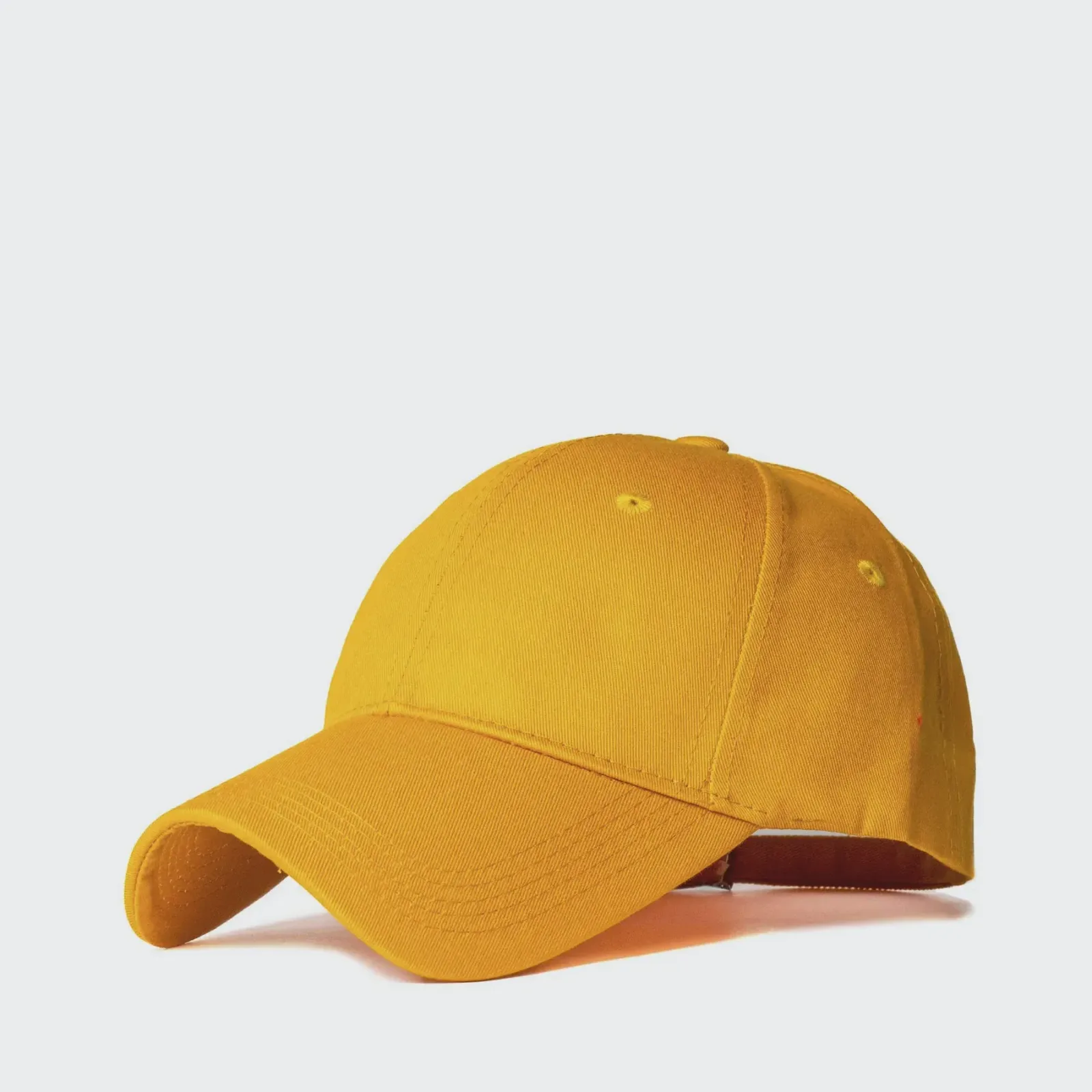
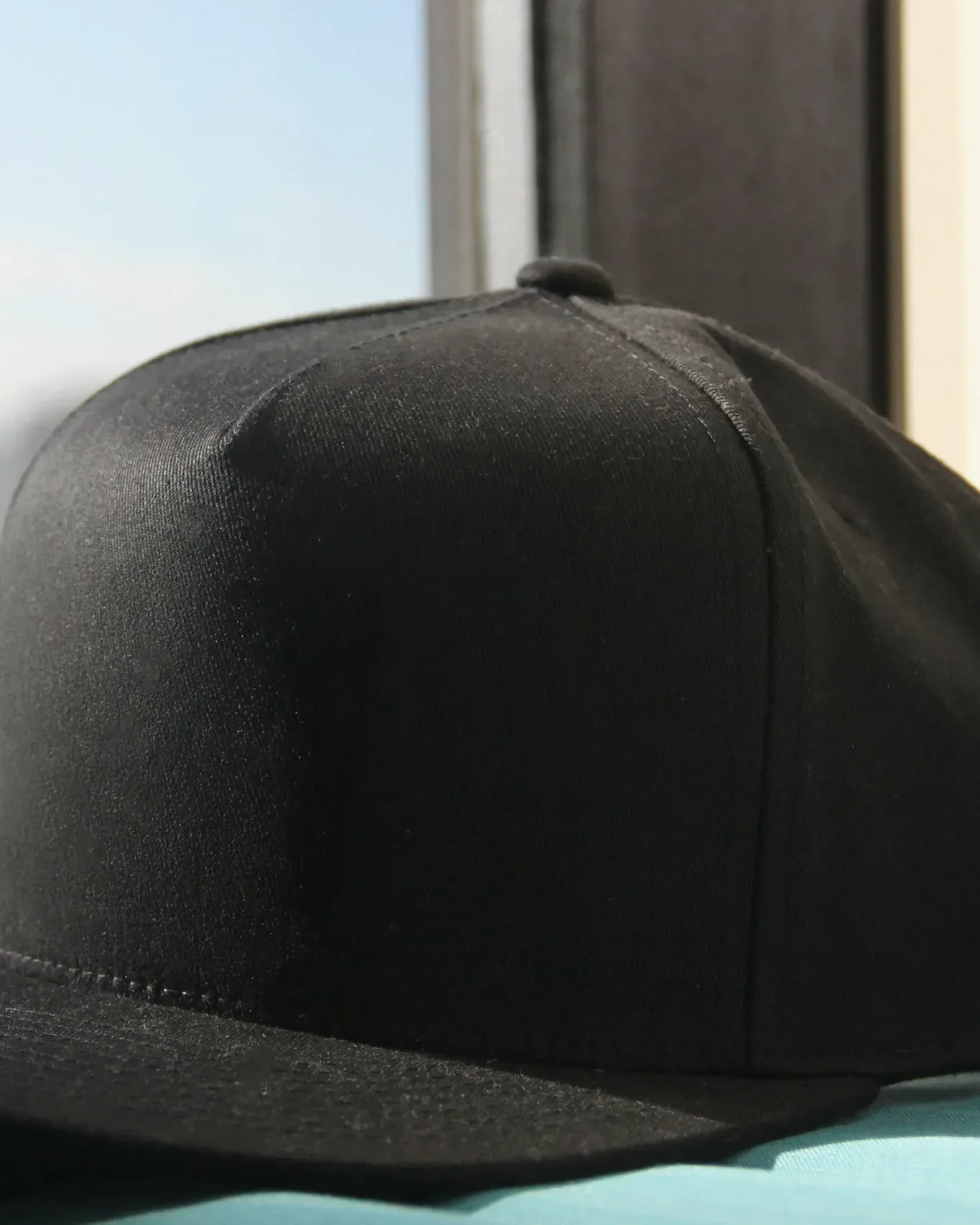
Custom manufacturing means the cap is built to your specification rather than decorated from stock. You choose the construction, fabric, colors, brim, closure, decoration, labels and packaging. The originally published product groups are baseball caps, snapbacks, hats, trucker caps, beanies and visors. Bucket hats, five-panel caps and performance caps follow the same development logic.
Caps Island works on an OEM and private label basis: the finished product carries your brand, not ours. The minimum order is 200 pieces for caps, bucket hats and visors, and 500 pieces for beanies. How that minimum applies per style, color or decoration is confirmed on the quotation, because some components (dyed fabric, woven labels, custom closures) have their own minimums at the supplier level.
- Structured caps: six-panel and five-panel caps with fused or buckram front panels. Typical examples are baseball caps and snapbacks.
- Unstructured caps: washed dad caps, camp caps and five-panels with a relaxed crown.
- Mesh-back caps: foam-front and low-profile trucker caps.
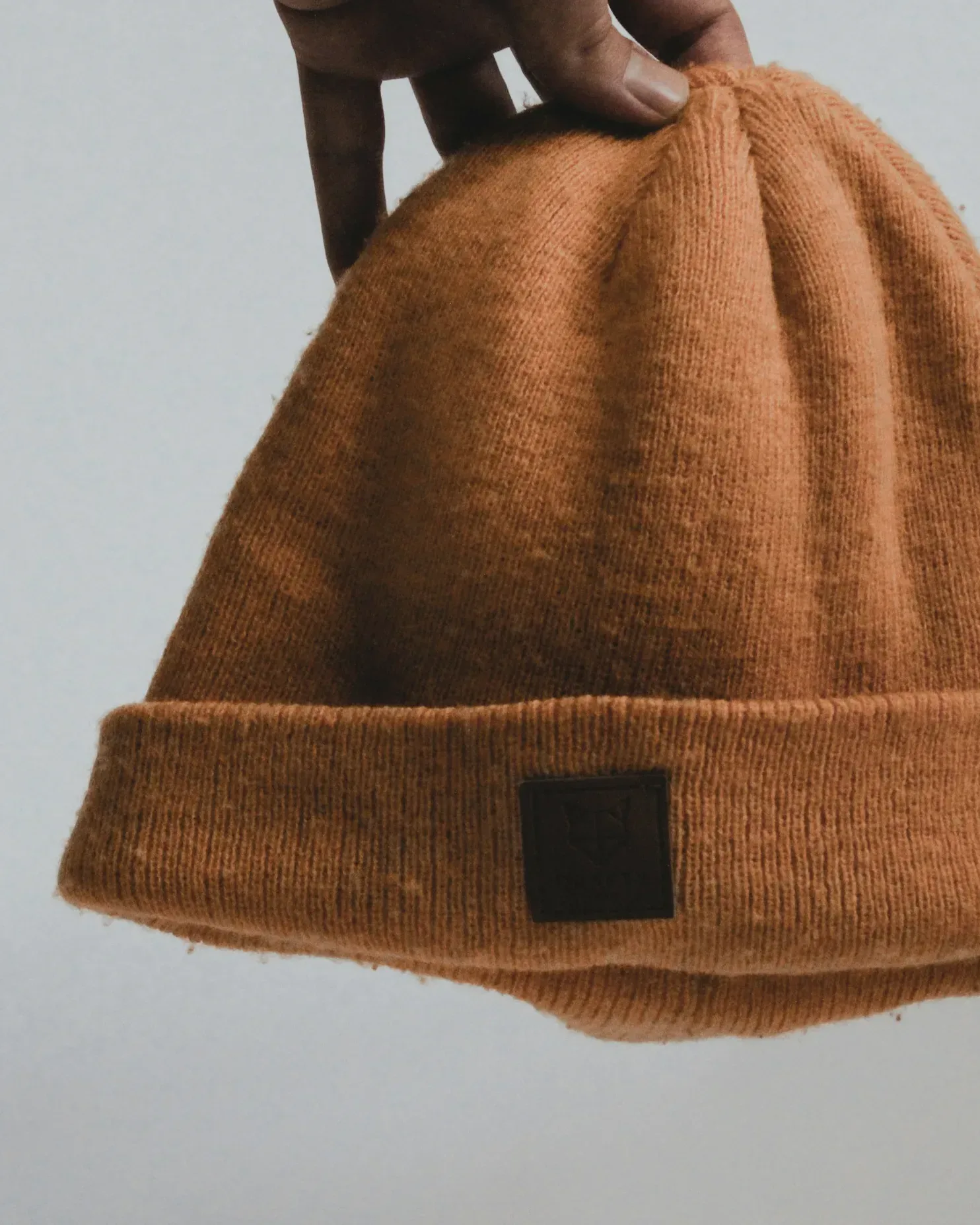
- Knitwear: cuffed and fisherman beanies.
- Hats and visors: bucket hats, sports visors and performance caps.
The six-step workflow
Every project runs through the same six steps. The order matters: decisions made early are cheap to change, and decisions changed after sampling cost time.
- 01Project inquiry
- 02Quotation
- 03Technical specifications
- 04Sampling7–14 days
- 05Bulk production
- 06Inspection and delivery
- Inquiry. You send the brief: style, quantity, target market, artwork, references and any material requirements. A structured request for quote shortens this step.
- Quotation. We review feasibility and return a quotation that states the specification as understood, the minimums per style and color, the production setup, the country of origin and the bulk lead time.
- Tech pack approval. A tech pack with artwork, placement, dimensions and colors is prepared and sent to you for approval before sampling.
- Sampling. A physical sample is produced from the approved tech pack. Sampling typically takes 7 to 14 days depending on design.
- Bulk production. Once the sample is approved, materials are ordered and the bulk order is produced against the approved sample.
- Inspection and delivery. Goods pass inspection before shipping and leave by road, air or sea.
Which decisions drive construction and cost
Most cost and feasibility questions trace back to a short list of decisions. The table summarizes their effect in relative terms. Actual figures depend on the full specification and are given on the quotation.
| Decision | Construction | Relative cost | Lead time | MOQ |
|---|---|---|---|---|
| Stock fabric color vs custom-dyed fabric | No change | Custom dye adds cost | Adds dyeing time | Dye lots may raise the minimum per color |
| Six-panel vs five-panel | Changes pattern and seams | Small difference | Neutral | Neutral |
| Structured vs unstructured front | Adds buckram or fusing | Small difference | Neutral | Neutral |
| Flat embroidery vs 3D puff | Adds foam underlay | Puff costs more | Slightly longer | Neutral |
| Stock closure vs custom molded or engraved closure | Same function | Custom tooling adds cost | Adds tooling time | Supplier minimums apply |
| Printed vs woven inside labels | Same position | Woven is usually higher | Woven adds production time | Label minimums apply |
| Bulk packing vs individual retail packaging | None | Retail packaging adds cost | Adds packing time | Packaging minimums apply |
For a deeper breakdown see the guide on custom cap cost factors.
Where each decision is made
The manufacturing section is split by decision area. Use it in the order below if you are building a specification from scratch.
- OEM and private label caps: what you own, what you supply, and how branding is controlled.
- Product development and sampling: tech pack, sample rounds and approval.
- Cap construction and panel design: panels, crown profile, structure and eyelets.
- Fabric and material options: twill, canvas, corduroy, nylon, mesh, wool blends and yarns.
- Embroidery and logo applications: stitch types, patches and printing.
- Brims, closures and internal finishing: brim shape, closure type, sweatband and taping.
- Private labeling and packaging: labels, hangtags, polybags and cartons.
- Quality control: inspection points and acceptance criteria.
- International orders and delivery: Incoterms, documents and transport modes.
What to send with a first inquiry
A complete brief is the fastest route to an accurate quotation. Missing information is not a problem, but every open point becomes an assumption that has to be confirmed later.
- Style reference: catalogue style, photo or sketch, with front and side views if possible.
- Quantity per style and per color.
- Fabric and color references, ideally Pantone TPX or TCX codes or physical swatches.
- Logo artwork in vector format, with intended size and position for each decoration.
- Brim shape, closure type and size range.
- Label, hangtag and packaging requirements.
- Material requirements such as recycled content or certified materials.
- Delivery destination and preferred Incoterm.
The headwear RFQ guide explains each item in detail. When the brief is ready, send it through the request a quote form.
How the collaboration works in practice
One project contact follows the order from inquiry to delivery. Questions on feasibility are answered before the quotation, not after. If a requested detail does not suit the chosen construction, for example small text in 3D puff embroidery or a deep crown on an unstructured cap, we say so and propose an alternative.
Changes are always possible, but their cost rises with each stage. A color change at tech pack stage costs an email. The same change after bulk fabric has been dyed costs material and time. Settling the specification before sampling is the single most effective way to control budget and schedule.
Questions buyers ask
What is the minimum order quantity for custom caps?
The minimum order is 200 pieces for caps, bucket hats and visors, and 500 pieces for beanies. How it applies per style, color or decoration is confirmed on the quotation, because some materials and components carry their own supplier minimums.
How long does sampling take?
Sampling typically takes 7 to 14 days depending on design, counted from tech pack approval. Complex decoration or custom components can extend this.
How long does bulk production take?
Bulk lead time is confirmed on the quotation. It depends on quantity, materials, decoration and whether any component is custom made.
Where are the caps manufactured?
Caps Island coordinates development and production through its manufacturing network. The production setup and country of origin are stated on the quotation for each project.
Let's make your cap.
Style, quantity, colors and artwork are enough to start. A project contact replies with questions or a quotation.