Fabric & Material Options
Fabric sets how a cap looks, wears and takes decoration. It also drives a large share of material cost and, with custom colors, the minimum per color. This page compares common headwear materials and explains the choices that affect sourcing and production.
Common shell fabrics
Most caps are made from woven fabrics. The weave, weight and fiber determine structure, surface texture and how embroidery sits.
| Fabric | Character | Decoration | Typical styles |
|---|---|---|---|
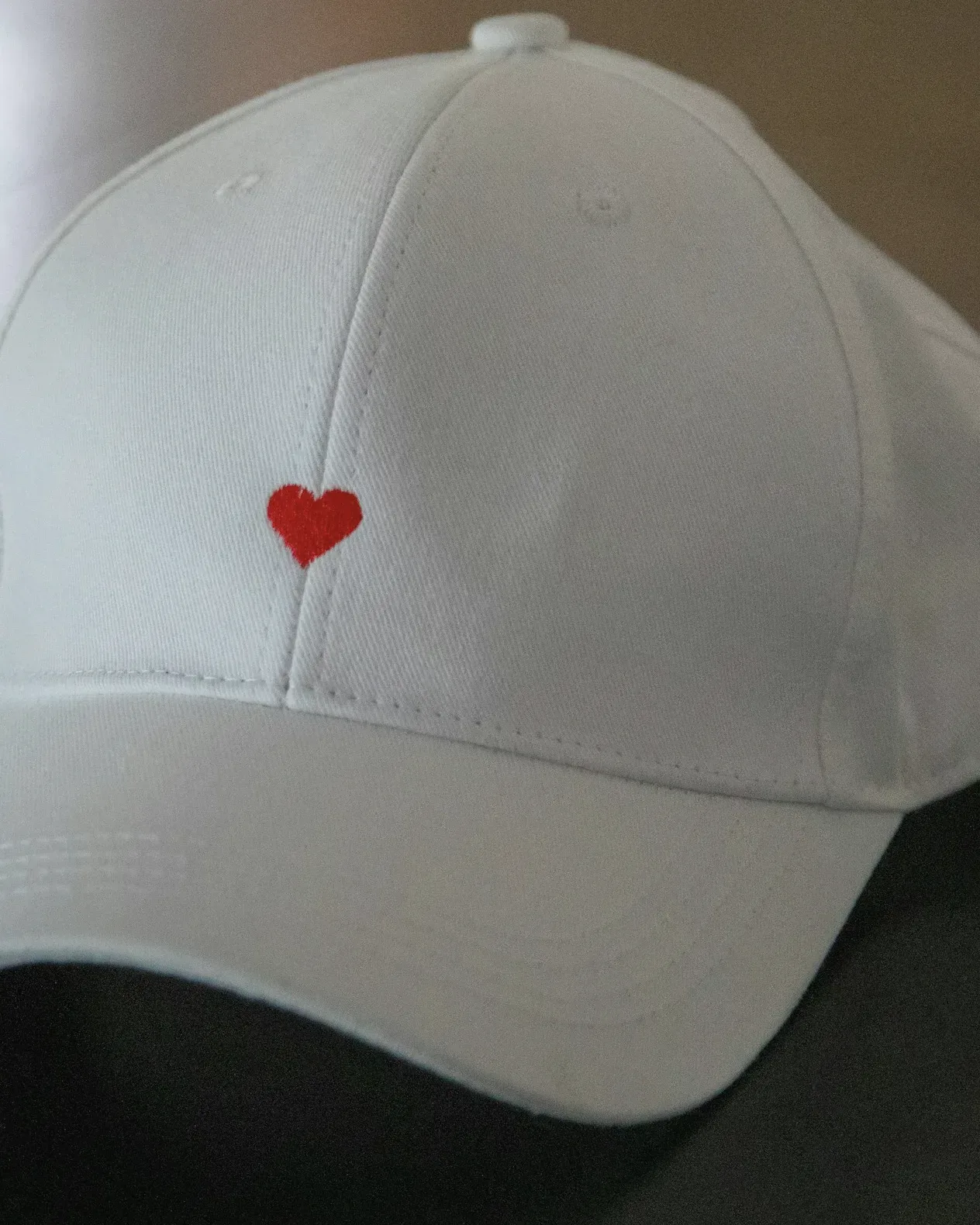
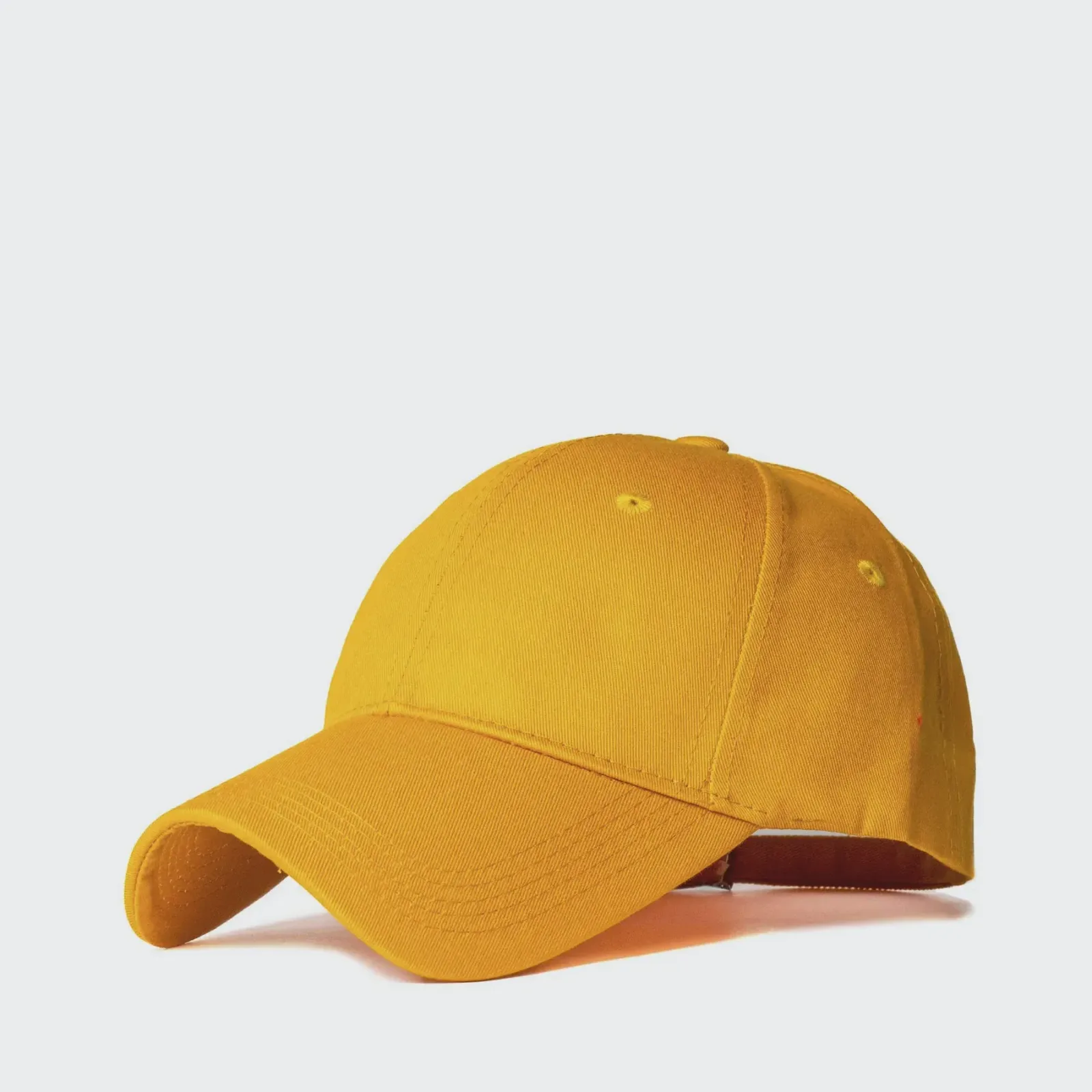
| Cotton twill | Smooth diagonal weave, versatile, washes well | Excellent base for all embroidery | Baseball caps, dad caps, bucket hats |
| Brushed or washed cotton | Soft hand, faded look | Good for flat embroidery and patches | Unstructured and vintage styles |
| Cotton canvas | Heavier plain weave, rugged | Good for patches and embroidery | Five-panel caps, workwear styles |
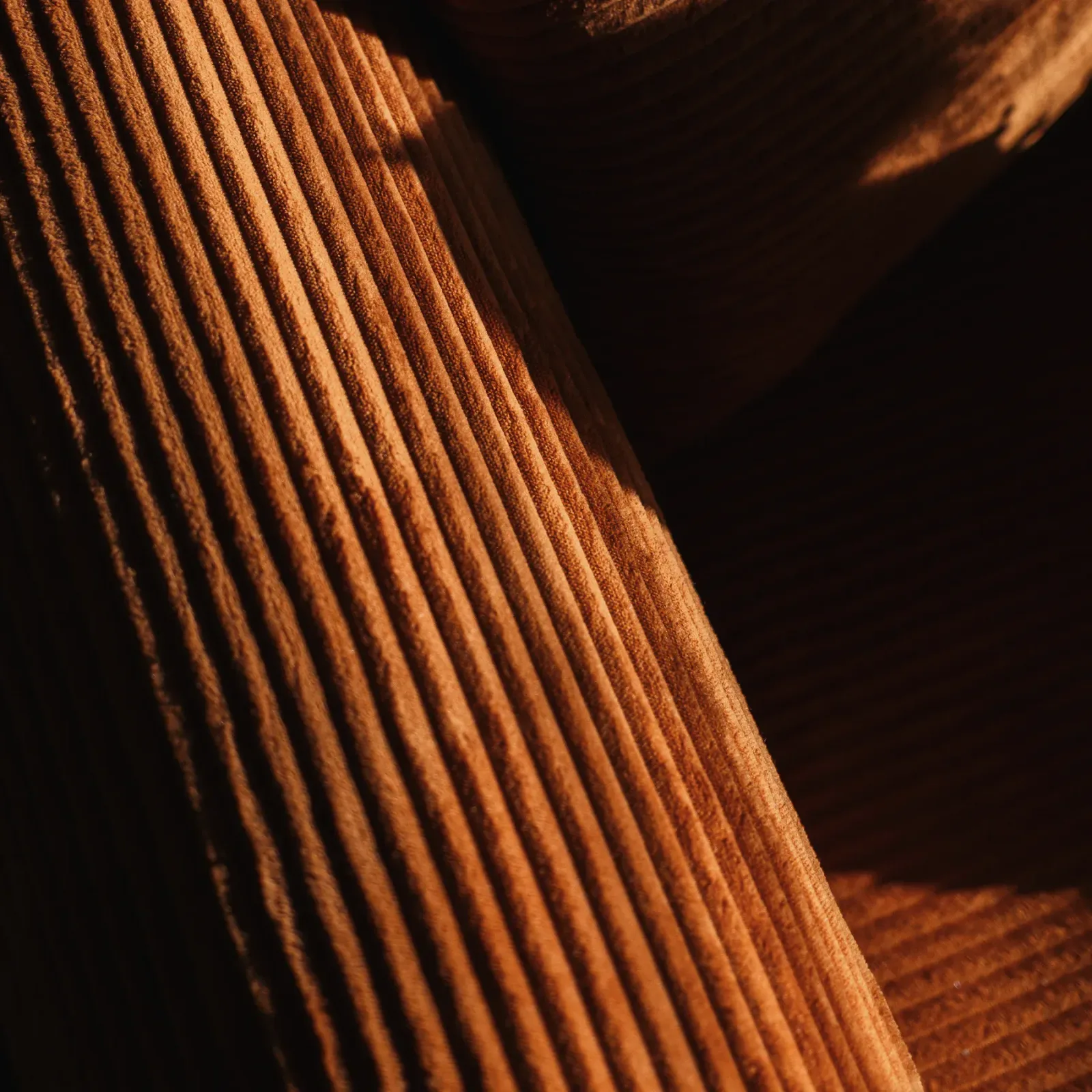
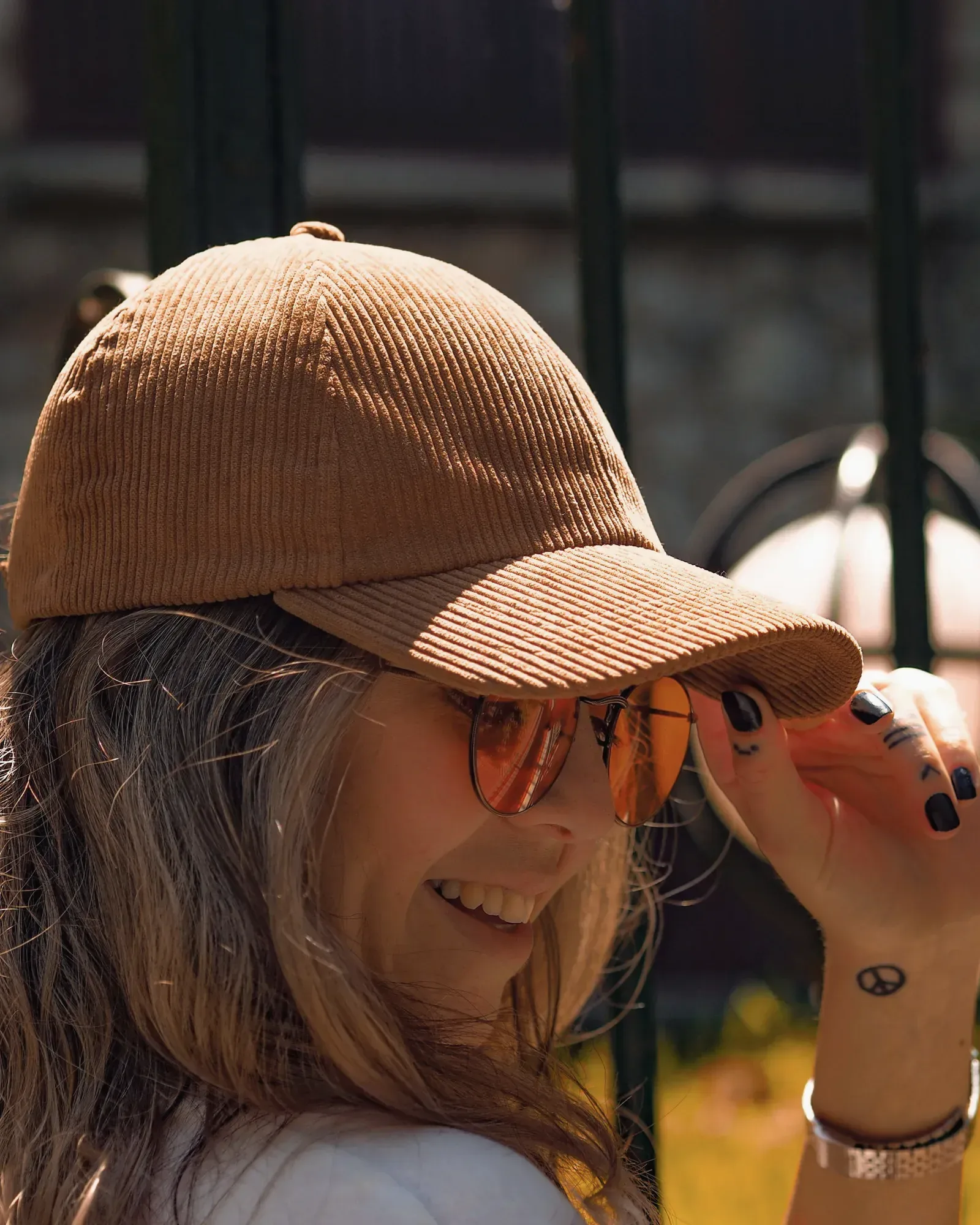
| Corduroy | Ribbed pile surface | Embroidery sinks into wales, bolder designs work best | Six-panel caps, bucket hats |
| Wool and wool blends | Warm, structured, premium hand | Good for embroidery | Fitted caps, winter styles |
| Nylon | Light, smooth, quick drying | Embroidery needs stabilizing; printing and patches work well | Camp caps, bucket hats |
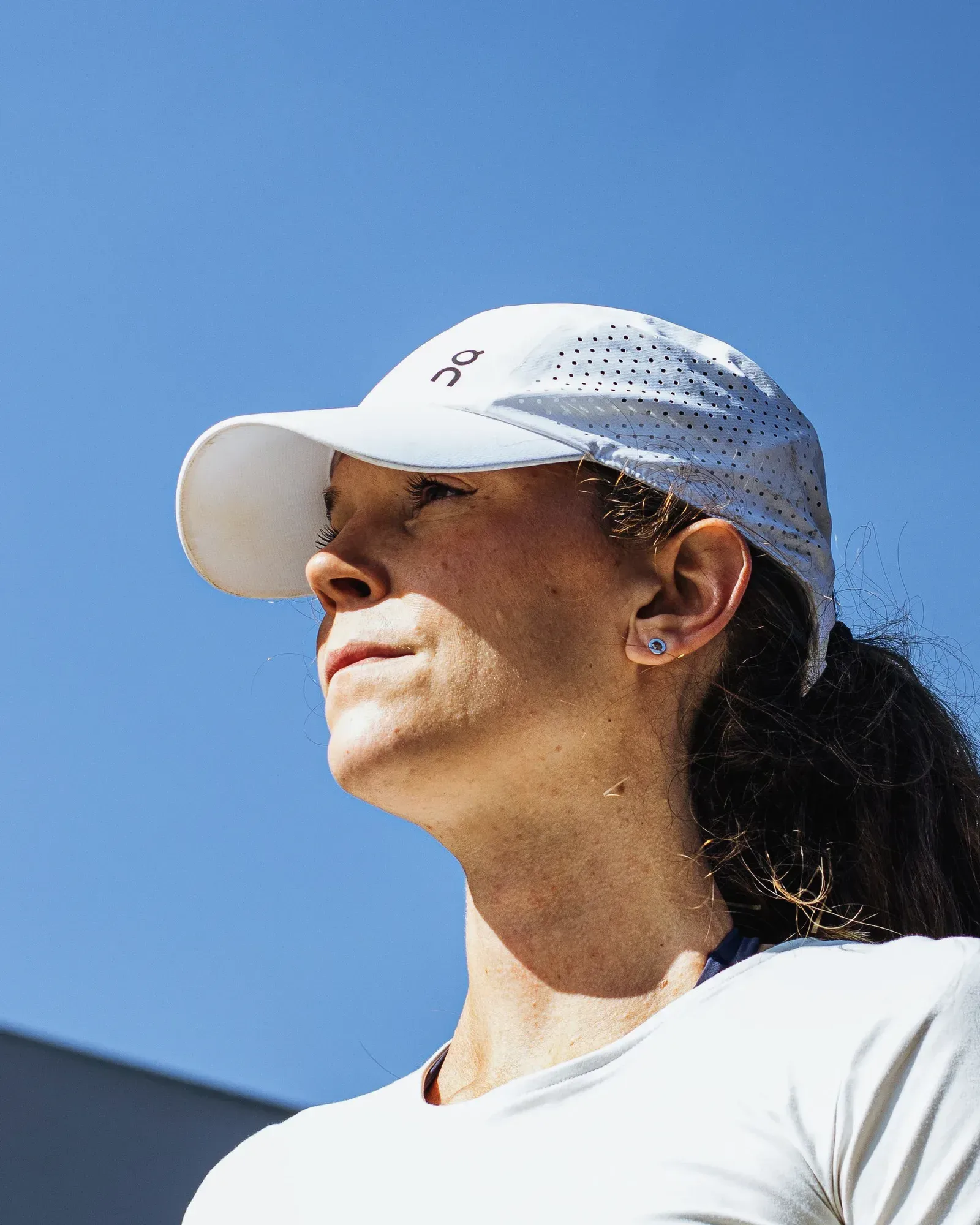
| Polyester and performance fabrics | Light, often moisture-wicking | Suits sublimation, heat transfer and light embroidery | Running caps, golf caps, visors |
The guide on choosing fabric for custom caps explains weights and finishes in more detail.
Mesh and secondary materials
A cap uses several materials beyond the shell fabric. Each has its own color and sourcing considerations.
- Mesh: polyester mesh for trucker backs, available in different hole sizes and stiffness. Mesh color matching to the front fabric is often approximate, because the materials dye differently.
- Foam front: a laminated foam panel used on foam-front trucker caps, suited to printing.
- Buckram and fusing: backing for structured fronts. See cap construction and panel design.
- Sweatband: cotton, polyester, terry or moisture-wicking tape.
- Lining: optional, used on some unstructured caps and bucket hats.
- Brim board: usually a plastic (PE) insert covered in shell fabric.
Fabric weight and finish
Within each fabric type, weight and finish make a visible difference. A heavier twill gives a more substantial structured cap; a lighter one suits unstructured styles and summer ranges. Finishes such as peach brushing, enzyme washing or water-repellent coating change the hand feel and, in some cases, how decoration is applied. Washing after embroidery softens the logo along with the fabric, which is often the intended vintage effect.
When comparing materials, ask for physical swatches rather than relying on descriptions. Two fabrics sold under the same name can differ noticeably in weight, surface and color depth. Approve the swatch, then approve the same fabric again on the sample.
Yarns for beanies
Beanies are knitted rather than sewn from panels, so the decisions are different: yarn, gauge, rib and finishing.
| Yarn | Character | Care and use | Relative cost |
|---|---|---|---|
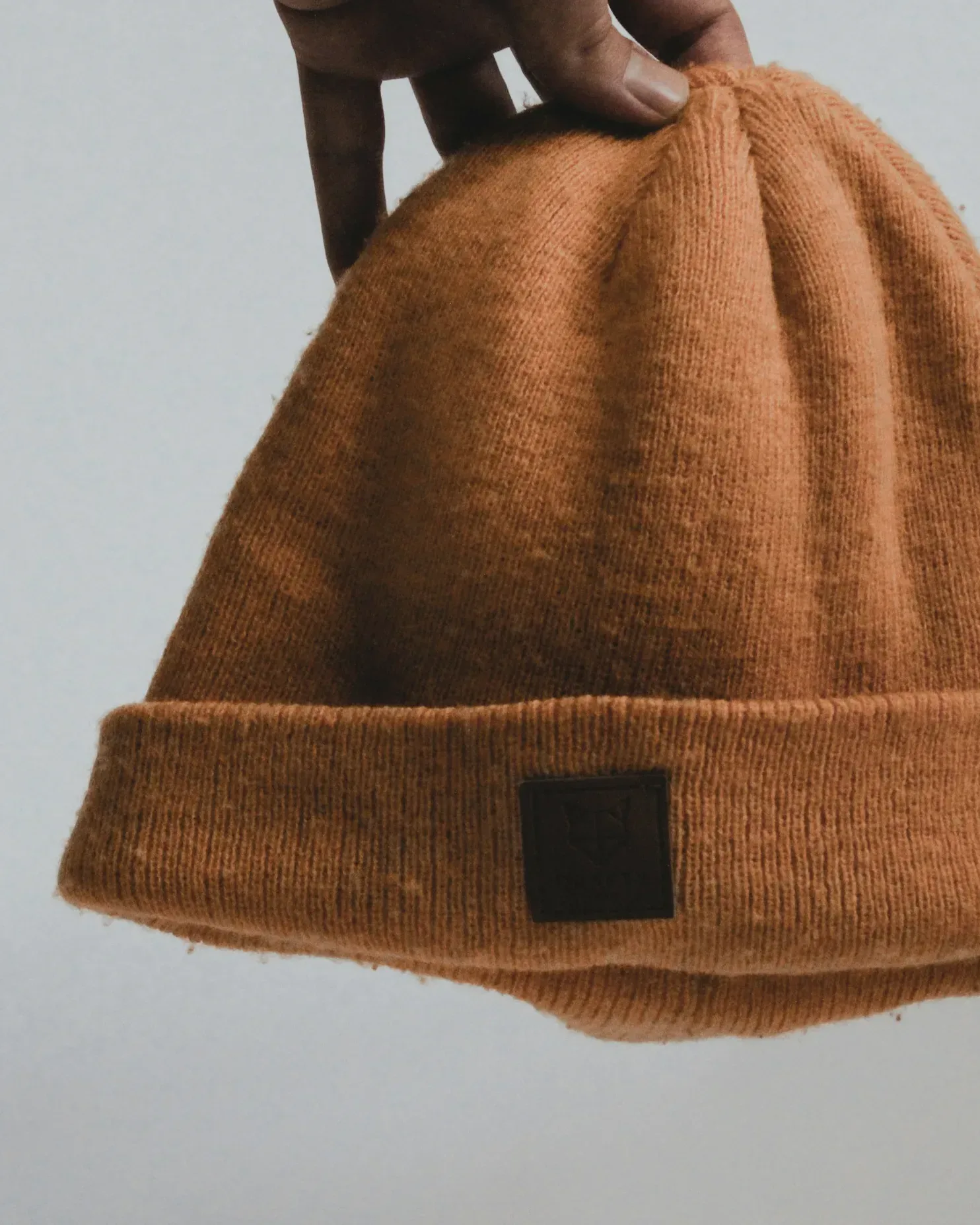
| Acrylic | Soft, consistent color, wide palette | Easy care, everyday and promotional use | Lower |
| Merino wool | Fine, warm, breathable | Premium retail, needs gentle care | Higher |
| Wool blends | Warmth with improved durability | Retail and outdoor | Medium |
| Recycled polyester | Recycled-content option | Similar handling to acrylic | Medium, depends on availability |
Knit gauge and rib structure (1x1 or 2x2 rib, cuffed or uncuffed, fisherman knit) change the look and the weight. Jacquard knit-in logos are produced in the knitting itself and carry their own setup. See beanies for the base styles.
Color: stock, custom dyed and matching
Color is the material decision with the largest effect on minimums and lead time.
| Option | Cost | Lead time | MOQ |
|---|---|---|---|
| Stock fabric color | Lowest | Shortest | Published minimum applies |
| Closest stock match to a Pantone reference | Low | Short | Published minimum applies |
| Custom-dyed fabric with lab dip | Higher on small runs | Adds dyeing and approval | Dye lot minimums may apply per color |
| Custom yarn color for beanies | Higher on small runs | Adds yarn dyeing | Yarn minimums may apply per color |
Give color references as Pantone TPX or TCX codes, or as physical swatches. Screen colors are not a reliable reference. Different materials on the same cap, such as twill front and polyester mesh, will not match exactly even when dyed to the same reference; agree an acceptable range at sampling.
Shade bands and repeat orders
Fabric is dyed in lots, and each lot can vary slightly. For a one-off order this rarely matters. For a program that is reordered every season, keep the approved sample as the color reference and ask for the bulk fabric to be checked against it before cutting. Shade tolerance is agreed per order, as part of the inspection criteria described on the quality control page.
Recycled and certified materials
Recycled polyester, organic cotton and other lower-impact materials are often requested for private label programs. Availability depends on the fabric type, weight and color, and recycled options may have higher minimums than conventional equivalents.
Choosing a material: a short checklist
- Is the cap structured, unstructured or washed? This narrows the fabric choice.
- Which decoration method is planned, and does the fabric support it?
- Is a stock color acceptable, or is a custom dye required?
- Does the use case call for performance properties such as quick drying?
- Are recycled or certified materials required for your market?
- Do all materials on the cap need to match, or is a contrast intended?
- Will the cap be washed or garment dyed after sewing, and has the fabric been tested for it?
If several answers are still open, send the brief anyway and note the uncertainty. A short list of two or three candidate fabrics is enough for the quotation, and the final choice can be made from swatches before the tech pack is approved.
Material and decoration decisions are closely linked. Continue with embroidery and logo applications, and see performance caps for technical fabric styles.
Questions buyers ask
Can you match my brand Pantone color?
Yes, through a stock fabric close to the reference or a custom-dyed fabric approved by lab dip. Custom dyeing adds time and may raise the minimum per color, which is confirmed on the quotation.
Why does the mesh not match the front fabric exactly?
Polyester mesh and cotton twill take dye differently, so they rarely match exactly even with the same reference. An acceptable range is agreed at sampling.
Do you offer certified or recycled materials?
Recycled and certified options can be requested. State the requirement in your RFQ; availability and documentation are confirmed per material.
Let's make your cap.
Style, quantity, colors and artwork are enough to start. A project contact replies with questions or a quotation.