OEM & Private Label Caps
OEM and private label production means the cap is developed to your specification and leaves the factory carrying your brand only. This page explains how responsibilities are split, which choices make a cap truly yours, and how those choices affect cost and minimums.
OEM and private label: the difference
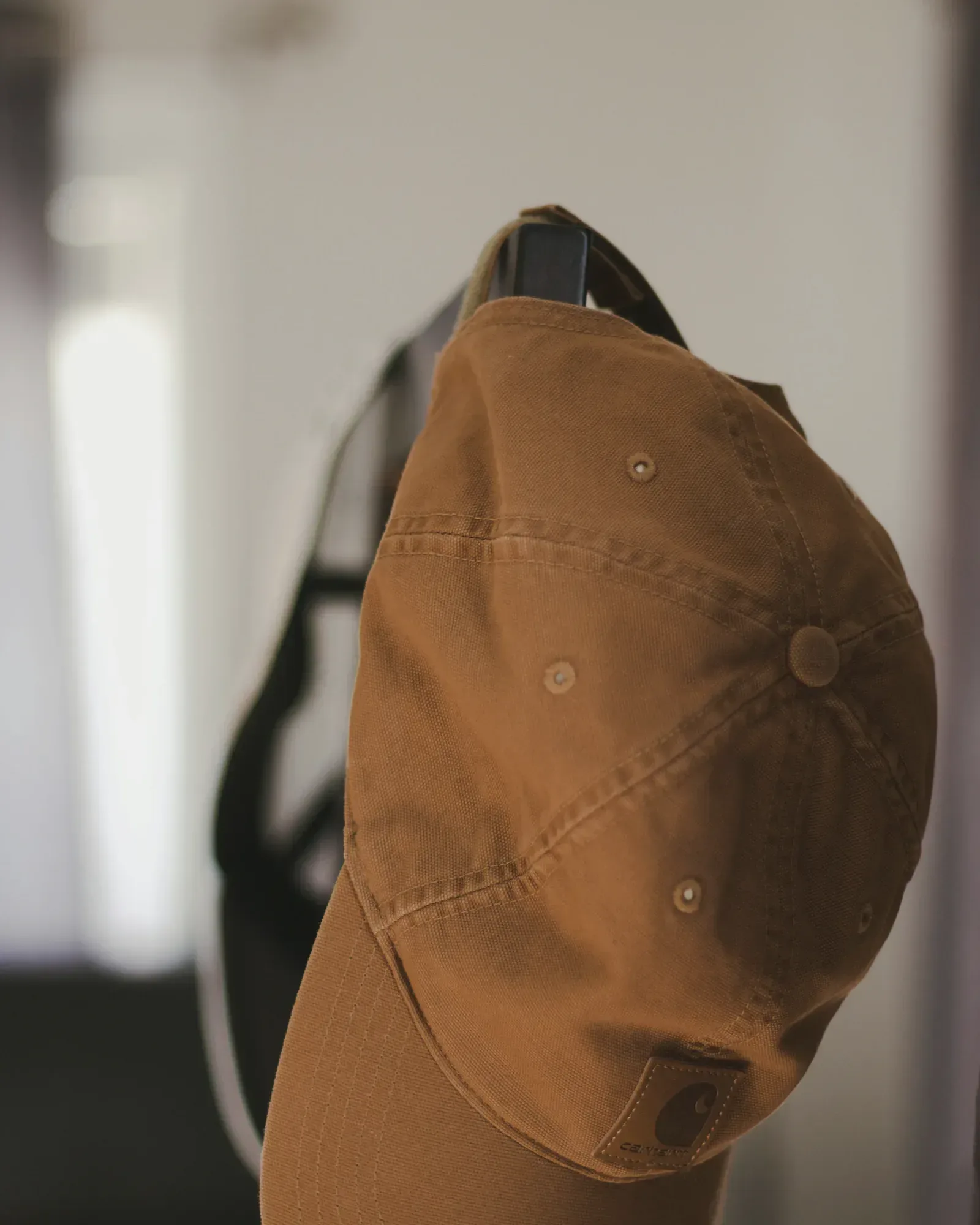
The two terms are often used interchangeably, but they describe different starting points. In OEM production the buyer brings a design: pattern, materials, decoration and finishing are specified by the buyer and developed into a production-ready sample. In private label production the buyer starts from an existing base style and changes fabric, color, decoration, labels and packaging so the result is sold under the buyer's brand.
In practice most projects sit between the two. A brand may take an existing six-panel pattern, change the crown height, specify its own fabric and add custom trims. The workflow is the same either way: quotation, tech pack, sample, approval, bulk.
| Aspect | Private label (base style) | OEM (buyer design) |
|---|---|---|
| Starting point | Existing pattern and construction | Buyer drawing, reference sample or tech pack |
| Pattern work | Minimal or none | New or adapted pattern |
| Sampling rounds | Usually fewer | Often more, until fit and shape are right |
| Relative development cost | Lower | Higher |
| Lead time to approved sample | Shorter | Longer |
| Degree of differentiation | Decoration, materials, trims | Full product, including shape and fit |
What the buyer controls
A private label cap becomes recognizably yours through a set of decisions. Some are visible from across a room, others only when the cap is in hand. Both matter for perceived quality.
- Shape: panel count, crown profile, structure and brim curve. See cap construction and panel design.
- Materials: shell fabric, mesh, lining and sweatband. See fabric and material options.
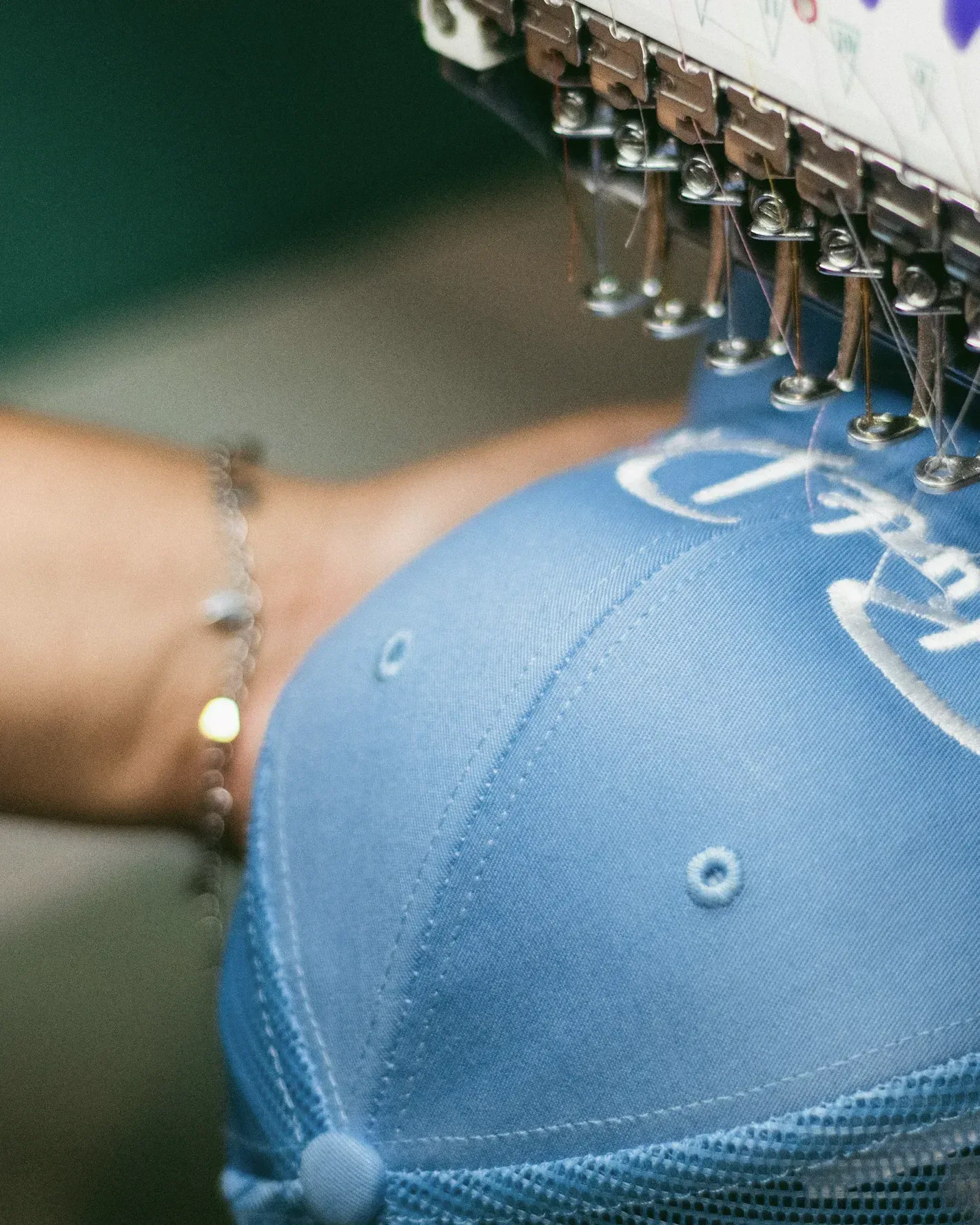
- Decoration: embroidery, patches or printing on front, side, back and brim. See embroidery and logo applications.
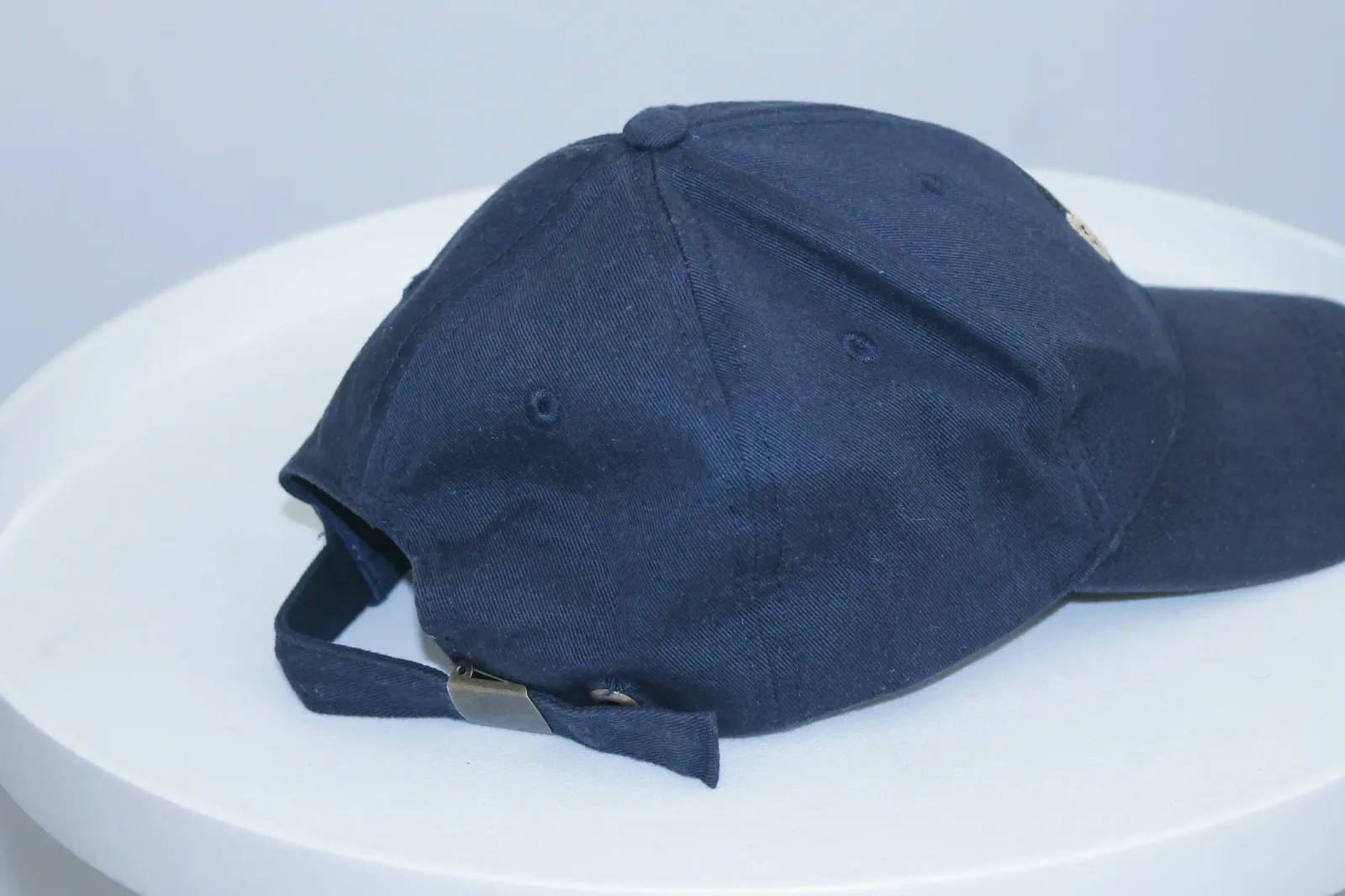
- Trims: closures, eyelets, top button, seam tape and brim stitching.
- Brand assets: inside labels, hangtags, stickers, polybags and cartons. See private labeling and packaging.
Branded trims and where minimums come from
The minimum order is 200 pieces for caps, bucket hats and visors, and 500 pieces for beanies. Branded trims often decide whether that minimum holds for a given style, because they are produced by specialist suppliers with their own minimum runs.
| Component | Effect on cost | Effect on lead time | Effect on minimums |
|---|---|---|---|
| Printed seam tape with logo | Moderate increase | Adds tape production | Tape is produced by length, so small orders carry a setup share |
| Woven main label | Moderate increase | Adds weaving time | Label minimums apply |
| Engraved metal buckle or embossed snap | Higher, includes tooling | Adds tooling and production | Supplier minimums apply |
| Custom-dyed fabric | Higher on small runs | Adds dyeing time | Dye lot minimums may apply per color |
| Printed sweatband | Moderate increase | Adds print run | Print setup is shared across quantity |
| Stock trims in standard colors | Lowest | Shortest | No additional minimum |
A common approach for a first order is to brand the visible elements (front logo, woven label, hangtag) and use stock trims elsewhere. Branded closures and seam tape can be added on repeat orders once volumes justify the setup.
Artwork, approvals and brand control
Your artwork is used for your order only. Before sampling, a tech pack with artwork, placement, dimensions and colors is sent for your approval. That document becomes the reference for sampling and bulk, so check it as carefully as you would a print proof.
- Logos supplied as vector files, with the master color references.
- Each decoration position defined with size and distance from a seam or brim edge.
- Thread, fabric and trim colors referenced by Pantone or physical swatch.
- Label content agreed, including any legally required care or composition text for your market.
- Packaging and barcode requirements stated before sampling, not after.
Building a range rather than a single cap
Brands often plan a small range: one structured cap, one unstructured cap and a beanie, for example. Sharing elements across styles keeps development efficient. A common woven label, the same seam tape and one closure type reduce the number of separate component orders and simplify reorders.
- Use one base pattern in two fabrics before developing a second pattern.
- Keep thread colors consistent across styles so embroidery reads as one brand.
- Standardize label and hangtag formats so they can be produced together.
- Plan seasonal colors around fabrics that are available in stock colors where possible.
The guide on building a private label cap brand covers range planning in more detail, and the retail private label page explains requirements typical for retail programs.
Reorders and consistency over time
An approved sample and tech pack make reorders straightforward. Keep the approved sample as your physical reference and store the tech pack version number with your purchase order. Any change on reorder, even a thread shade or a label supplier, should go through the tech pack again so bulk is produced against the right standard.
Fabric dye lots vary slightly between production runs. For colors where consistency is critical, such as a core brand color repeated every season, ask for a lab dip or strike-off to be approved against your original sample before the reorder fabric is cut. This adds a short step but avoids visible shade differences between old and new stock on the same shelf.
- Reference the approved sample and tech pack version on every reorder.
- Flag any component that is no longer available so an equivalent can be approved early.
- Confirm label content again if regulations or your company details have changed.
Questions buyers ask
Can I start from an existing style instead of a new design?
Yes. Most private label programs start from an existing base style and change fabric, color, decoration, labels and packaging. This usually shortens development and reduces cost compared with a new pattern.
Will the caps carry any Caps Island branding?
No. Private label caps carry your brand only. Required information such as country of origin and care instructions is printed on your own labels.
Do branded trims change the minimum order quantity?
They can. The published minimum is 200 pieces for caps (500 for beanies), but custom closures, woven labels or dyed fabric may carry supplier minimums. How this applies to your order is confirmed on the quotation.
Let's make your cap.
Style, quantity, colors and artwork are enough to start. A project contact replies with questions or a quotation.