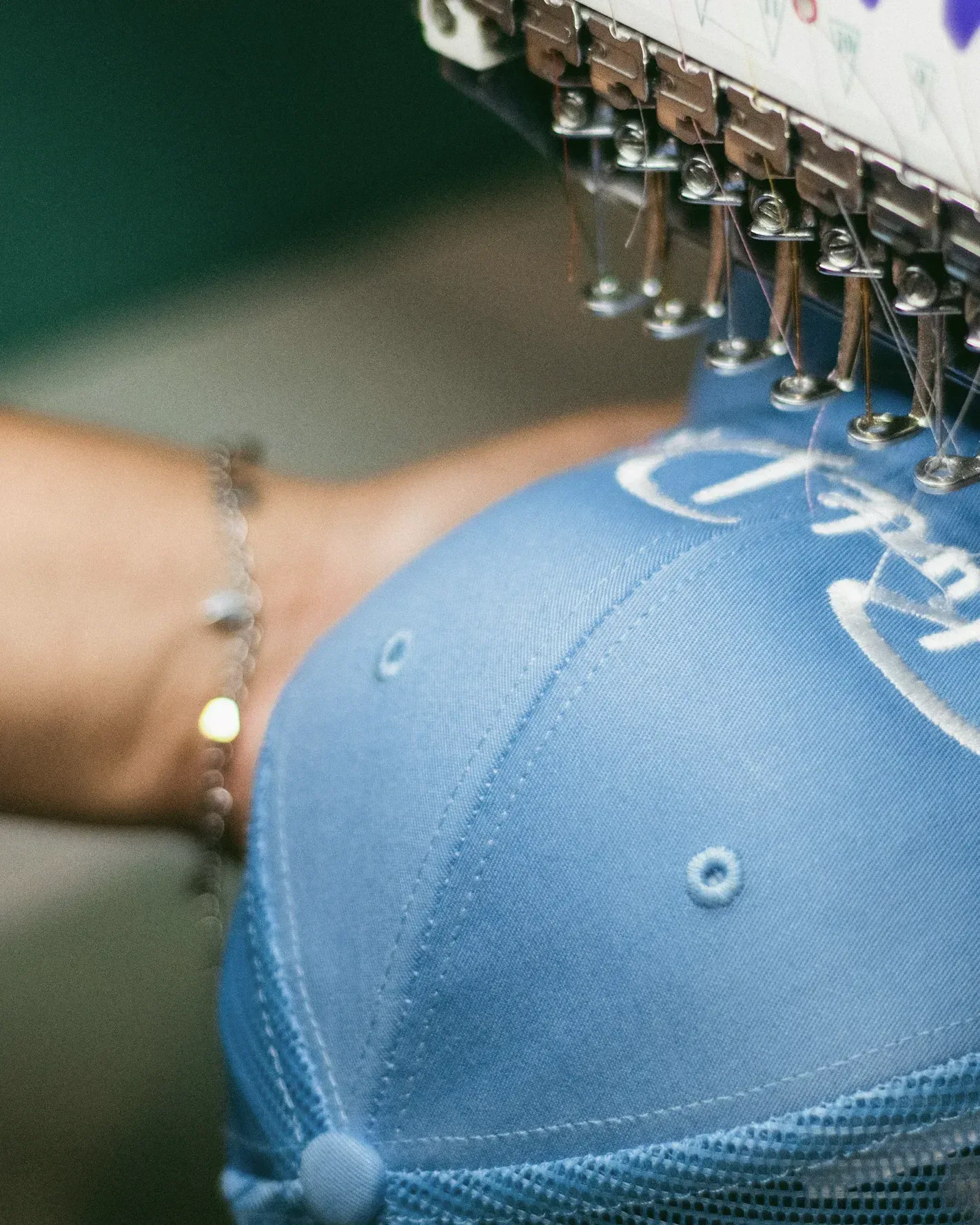
Quality Control Checklist for Custom Caps
Cap quality is built through an approved specification and sample, then confirmed by inspection before dispatch. A good checklist covers construction, decoration, measurements, labeling and packing.
Updated · Caps Island product development
Key takeaways
- Inspection is only as good as the specification: requirements that were never written down cannot be checked reliably.
- AQL sampling is a statistical method; the inspection level and acceptance limits are agreed per order.
- Classify defects as critical, major or minor in writing before production starts.
- Decoration position and color cause the most disputes; measure and compare against the approved sample.
Where quality control happens
Quality on a cap order is not decided at the end. It is built in through an approved specification, a correct sample and controlled production, then confirmed by inspection before goods are shipped. At Caps Island, the tech pack is approved before sampling, the approved sample becomes the reference for bulk, and goods pass inspection before dispatch. A buyer's checklist should follow the same stages.
| Stage | What is checked | Reference |
|---|---|---|
| Tech pack approval | Completeness of specification, measurements, colors, artwork | Your inputs and brand standards |
| Sample approval | Shape, fit, materials, decoration, labels | Approved tech pack |
| Materials before bulk | Fabric color and quality, thread colors, trims, labels | Approved sample and lab dips |
| During production | Early pieces checked for construction and decoration | Approved sample |
| Before dispatch | Finished goods: appearance, measurements, function, labeling, packing | Approved sample, tech pack, packing instructions |
The more precise the earlier stages are, the simpler the final inspection becomes. If a requirement was never written down, it cannot be inspected reliably, and any disagreement turns into a matter of opinion. See quality control for how inspection fits into production.
How sampling-based inspection works
Final inspection of a bulk order normally checks a random sample of pieces rather than every cap. The widely used method is AQL, short for acceptance quality limit, which relies on published statistical sampling tables. The lot size and the chosen inspection level determine how many pieces are drawn. For each defect class, an acceptance number sets how many defective pieces are allowed in that sample before the lot fails.
AQL is a statistical tool, not a quality promise. A lot that passes can still contain some defective pieces; a stricter limit reduces that risk but increases the sample size and the inspection time. For each order, the inspection level and acceptance limits are agreed in advance, so both sides know what pass and fail mean before goods are finished.
Classifying defects
Defects are usually grouped into three classes. Agree in writing which defects fall into which class for your product, because the same flaw can be minor on a promotional giveaway and major on a retail cap sold under your brand.
Write the classification as a short list with photos where possible, and attach it to the order. It is common to accept no critical defects at all and to set a stricter limit for major defects than for minor ones. Whatever you decide, the inspector needs the same list you do.
| Class | Meaning | Cap examples |
|---|---|---|
| Critical | Could cause harm to the wearer or breach legal requirements | Sharp edge or burr on metal hardware, missing mandatory labeling |
| Major | Likely to cause a return or make the product unsellable | Logo in the wrong position or color, wrong size label, broken closure, hole in fabric, misshapen crown |
| Minor | Visible flaw unlikely to cause a return | Short untrimmed thread end, slight stitch irregularity inside, small removable mark |
Construction checks
Construction defects affect how the cap looks and how long it lasts. Check them on a flat surface first, then on a head form or a wearer, because some faults only show when the crown is under tension.
- Crown shape and profile match the approved sample from the front and side
- Front panels symmetrical; center seam straight and centered
- Buckram smooth, with no bubbling or creasing in structured fronts
- Seams straight with even stitch length, no skipped or open stitches
- Button centered and secure at the top of the crown
- Eyelets present, correctly placed and cleanly finished
- Brim symmetrical with the correct curve; stitching rows parallel and even
- Sweatband and seam taping secure, with no exposed raw edges
- Closure operates correctly and holds its setting
Decoration checks
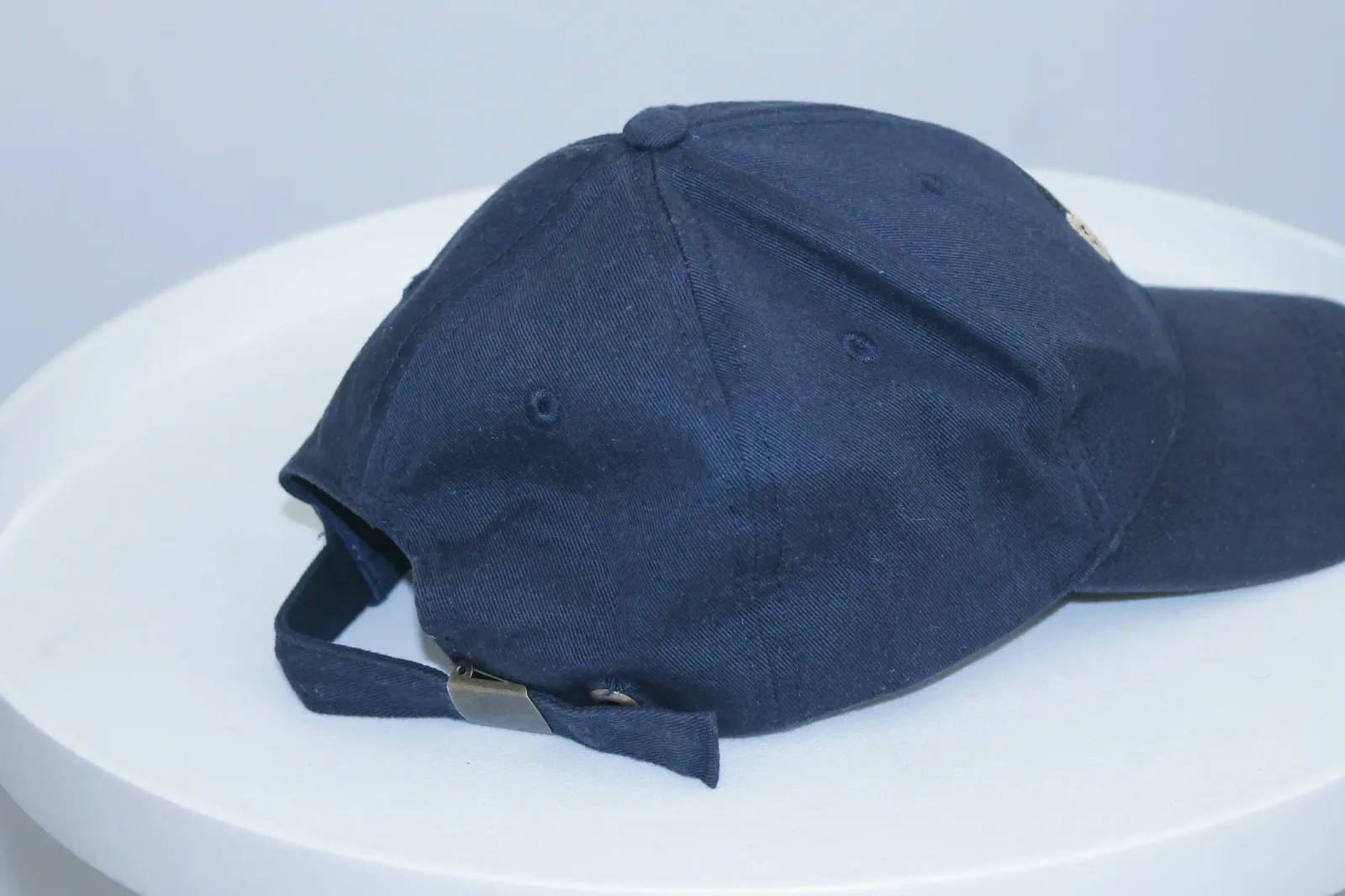
Decoration is the most visible part of a branded cap and the most frequent source of disputes. Inspect it in good, consistent light against the approved sample, and measure positions rather than judging by eye.
- Position measured from the brim seam and center seam matches the tech pack
- Logo straight and centered, not tilted
- Thread and print colors match the approved sample
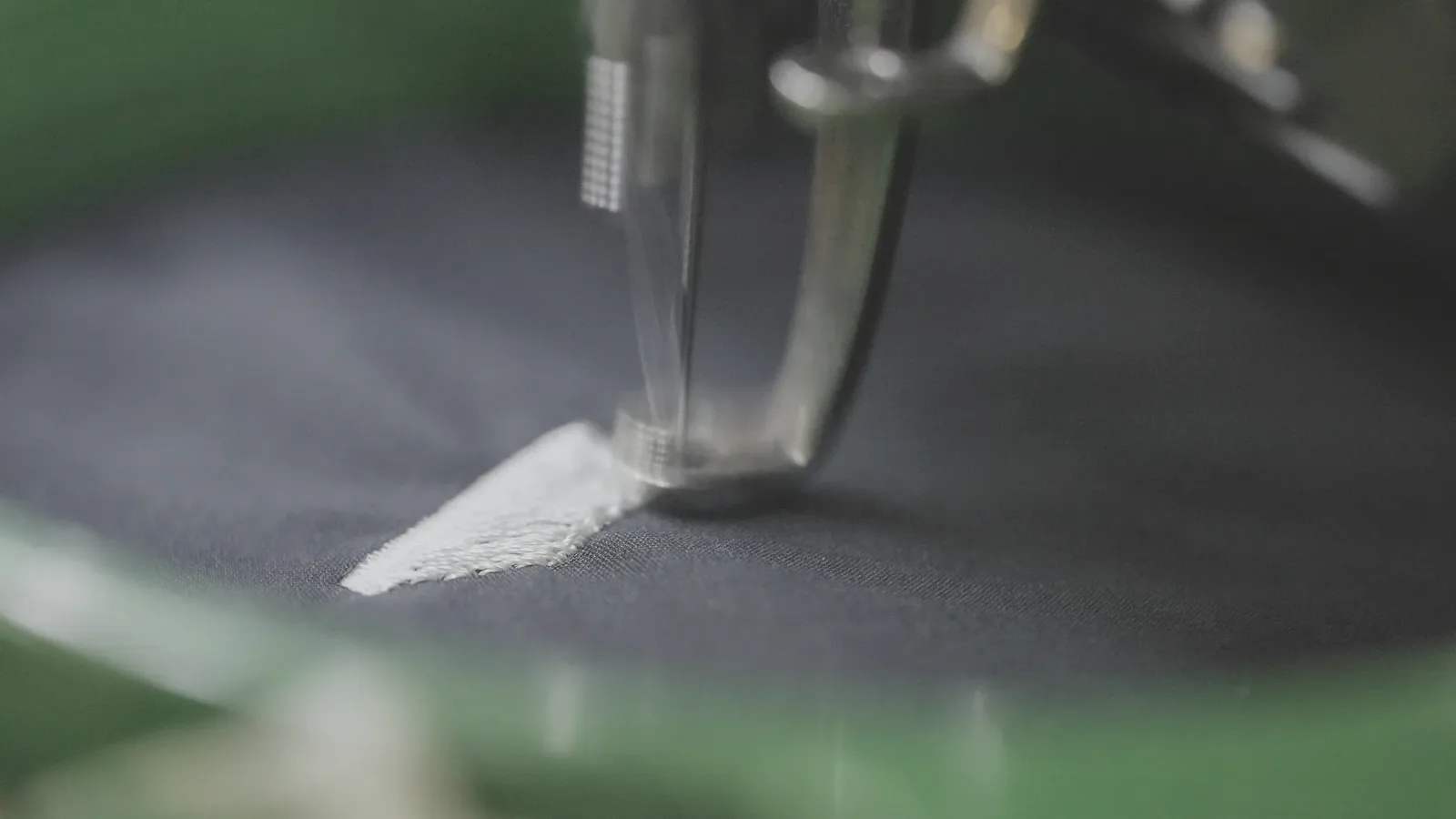
- Embroidery: full coverage, no gaps, no loose or long jump stitches, clean edges
- 3D puff: foam fully covered, with no foam visible at the edges
- Patches: edges secure and aligned, no lifting corners
- Prints: complete coverage, no cracking, smearing or ghosting
- Embroidery backing trimmed neatly inside the cap
For background on how each embroidery type behaves and where it tends to fail, see flat vs 3D puff embroidery.
Measurement, labeling and packing checks
Measure a set of caps from each size or colorway at the points listed in the tech pack: front panel height, crown depth, brim length and head circumference. Compare against the approved sample and the agreed tolerances. Then check everything that leaves with the cap.
Structured and unstructured caps need different handling during measurement. A structured crown can be measured as it stands; an unstructured crown should be measured flat or on a head form, the same way on every piece, otherwise the readings vary with how the cap is held rather than how it was made.
- Labels: correct main label, size label and care label, legible and sewn straight; country of origin as stated on the quotation.
- Hang tags and stickers: correct style, color and barcode; barcodes scan.
- Polybags: correct size and any required warning text.
- Packing: caps nested without crushing structured crowns; correct quantity per carton.
- Cartons: markings match the instructions; carton count matches the packing list.
Crushed crowns and bent brims are a frequent transit problem. Packing instructions should state how caps are stacked and how many go in each carton, especially for high-profile structured styles. Road, air and sea freight each put different stresses on cartons, so packing should suit the chosen mode. Options are covered on private label packaging.
Handling issues found at inspection
When an inspection finds defects above the agreed limit, the usual options are sorting, rework or replacement, and occasionally accepting the lot under an agreed concession. Sorting means checking every piece and removing defective ones. Rework fixes correctable issues, such as untrimmed threads, a missing hang tag or an incorrect carton marking. Some faults cannot be reworked: embroidery in the wrong position or color is stitched through the panel and usually means remaking the affected caps.
Whichever route is chosen, a re-inspection of the corrected goods should follow before dispatch. Keep the original report, the agreed action and the re-inspection result together; they are the most useful input when you specify the next order.
Building your own checklist
A generic checklist is a starting point. Adapt it to your product and channel: a retail private label program needs stricter appearance and labeling checks than a one-off event giveaway, and a performance cap needs attention to laser perforations and moisture-wicking sweatbands that a cotton dad cap does not. Keep the approved sample sealed and labeled as the reference, and file the final tech pack with each inspection record. For repeat orders, update the checklist with anything the previous inspection found, so known weak points get extra attention from the start.
- Start from the approved tech pack and list every measurable point.
- Add decoration, labeling and packing checks specific to the order.
- Classify each possible defect as critical, major or minor.
- Agree the inspection level and acceptance limits for the order.
- Review the inspection report against the checklist before goods ship.
If you are planning an order, the sampling guide explains how the reference sample is set, and request a quote is the place to start.
Questions, answered
Are all caps in an order inspected?
Final inspection usually checks a random sample drawn according to AQL sampling tables. The inspection level and acceptance limits are agreed for each order.
What does AQL mean?
Acceptance quality limit. It is a statistical sampling method that sets how many pieces to inspect for a given lot size and how many defects of each class are allowed before a lot fails.
What is the reference for inspection?
The approved sample and the final approved tech pack, together with the agreed packing instructions. Keep a sealed approved sample on your side.
What is the difference between a major and a minor defect?
A major defect is likely to cause a return or make the cap unsellable, such as a misplaced logo. A minor defect is a visible flaw unlikely to cause a return, such as a short untrimmed thread.


Let's make your cap.
Style, quantity, colors and artwork are enough to start. A project contact replies with questions or a quotation.